Virtual staging rules in Ontario: what RECO asks (2026)
RECO's AI guidance tells Ontario agents to clearly label digitally altered images. What RECO, TRESA and Toronto's MLS rules say on staging, quoted and linked.
On this page
Yes, you can virtually stage an Ontario listing as long as the photo does not mislead, and the regulator now says what it expects. In October 2026 the Real Estate Council of Ontario (RECO), which regulates agents and brokerages, published guidance saying brokerages and agents must "Ensure virtual staging or AI modifications accurately reflect permanent features and clearly label any digitally altered images." Behind it sits the ban on misleading advertising in the Trust in Real Estate Services Act, 2002 (TRESA). Below we quote each rule, then give wording to copy.
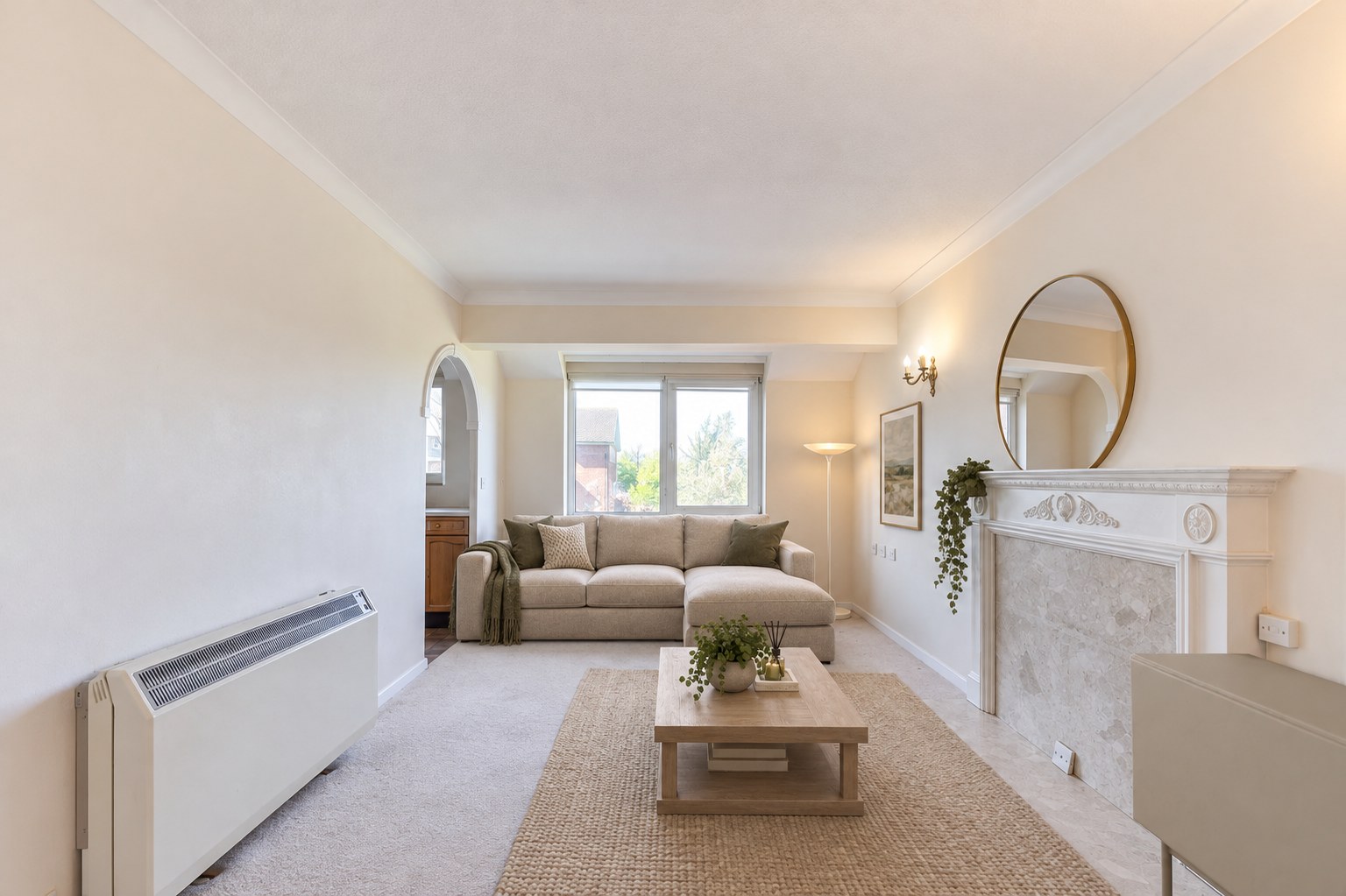
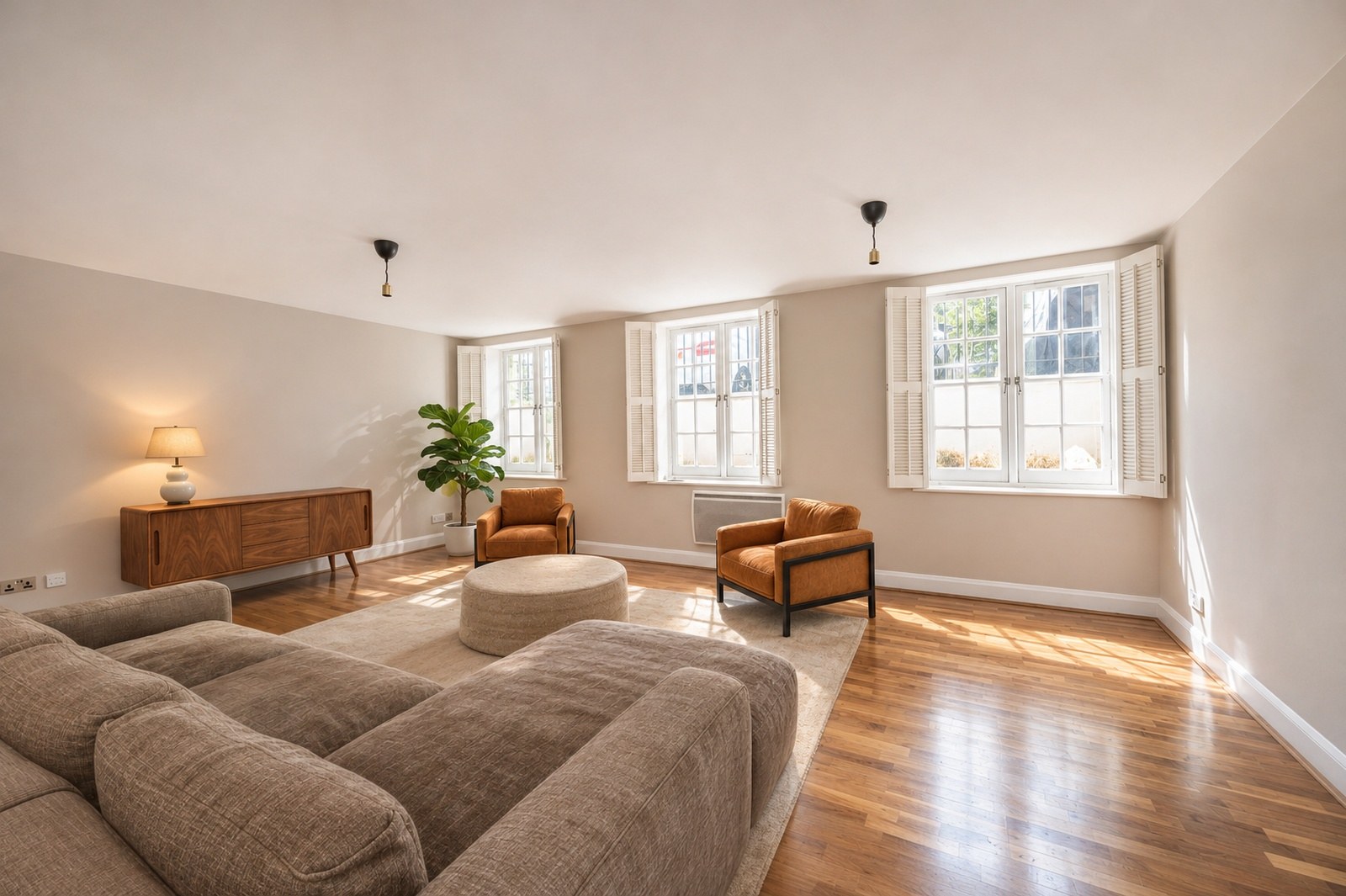
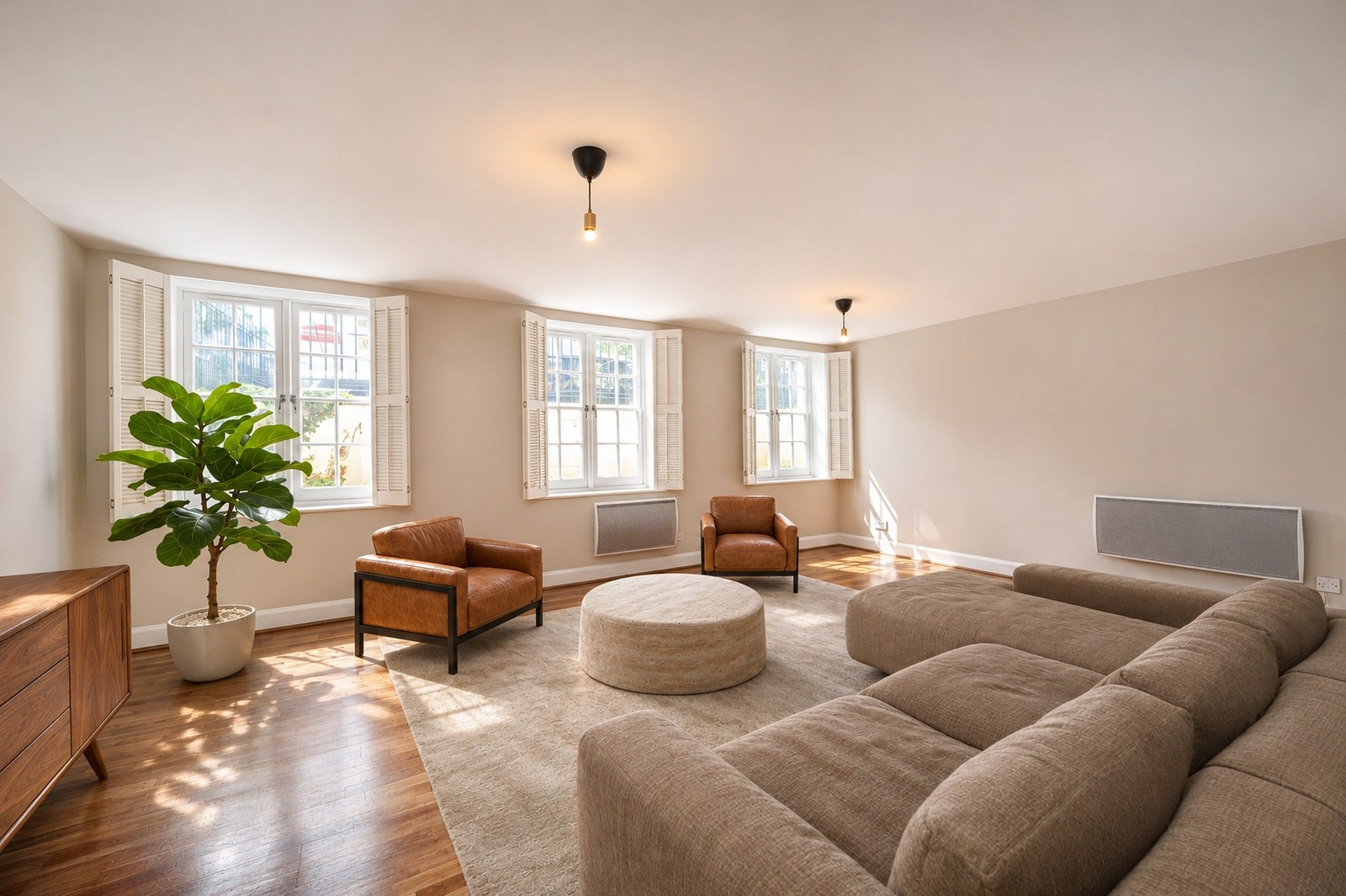
Livium AI makes both halves of that easy to follow. It is designed to keep the room's permanent features as photographed and add only furniture and decor, and each staged photo downloads with a "Virtually staged" label or without one, its original kept beside it.
This article is general information, not legal advice. Rules differ by province, regulator and MLS board, and they change. Check the rules that apply to your listing.
Key points
- RECO's guidance on artificial intelligence (October 2026) lists what "brokerages and agents must do", including: "clearly label any digitally altered images".
- Section 37 of TRESA says no registrant shall make "false, misleading or deceptive statements in any advertisement", and RECO's Bulletin 5.1 says "All advertising must include the name of the brokerage."
- The PropTx MLS rules, which TRREB says apply to all listings on the PropTx MLS System, bar altered images and digital staging that "do not accurately depict the listed real estate", as quoted by the Ottawa Real Estate Board in November 2024.
- TRREB's chief executive said in November 2026 that virtual staging is permissible if it does not "misrepresent any feature, condition or view of or from the property".
- Neither RECO's guidance nor the PropTx rule asks you to publish the original photo. Keep it anyway.
Is virtual staging allowed in Ontario?
Yes, on the rules we read, as long as the photo does not mislead. Neither TRESA nor its Code of Ethics names virtual staging, and both RECO's guidance and TRREB's statement treat it as acceptable when the property is shown as it is.
RECO asks that staging "accurately reflect permanent features", and does not list them. Our reading: walls, windows, floors, built-in fittings and the view stay as photographed, and only furniture and decor change. TRREB's wording is wider, covering "any feature, condition or view of or from the property". Read that way, a rug laid over a stained floor misrepresents its condition just as a widened window misrepresents a feature.
What does RECO's guidance say about virtually staged photos?
It tells brokerages and agents to keep permanent features accurate and to label every digitally altered image. RECO published its guidance on the use of artificial intelligence (opens in a new tab) in October 2026, as CP24 reported (opens in a new tab) on 17 November 2026. The page itself prints no date.
Under "AI in Practice", the guidance says: "While the list below is not exhaustive, to ensure compliance with TRESA and its related regulations, brokerages and agents must do the following". The list includes:
Maintain visual transparency: Ensure virtual staging or AI modifications accurately reflect permanent features and clearly label any digitally altered images.
Two other lines matter for photos:
- Responsibility stays with you. "The use of AI does not transfer professional responsibility to a technology provider", and "Brokerages and agents remain accountable for all data, representations, and communications generated or assisted by AI tools."
- Advertising rules apply to images. "AI-generated social media posts, descriptions, and enhanced visuals must comply with all TRESA advertising obligations including the mandatory placement of brokerage identification."
The guidance says "any digitally altered images", so on our reading a photo staged by hand in editing software is covered as well as one made with AI. It does not say where the label goes or what it must say. RECO's director of communications, Tess Lin, wrote to CTV News Toronto that RECO's expectations are that agents who use AI "verify the accuracy of AI-generated content against physical facts and can be transparent about the use of AI or materially altered content in their advertising and/or property listings" (CP24, 17 November 2026).
What does the law say about misleading listing photos?
TRESA bans misleading advertising, and RECO's bulletins explain what counts as misleading. A registrant is a brokerage, broker or salesperson registered under TRESA.
Section 37 of TRESA (opens in a new tab) reads: "No registrant shall make false, misleading or deceptive statements in any advertisement, circular, pamphlet or material published by any means relating to trading in real estate." The Act defines a trade to include a "lease, rental or otherwise", so rental adverts placed by registrants are covered as well as sales.
The Code of Ethics (opens in a new tab), Ontario Regulation 365/22, adds in section 5 that a registrant "shall make best efforts to ensure that any representations are accurate and are not misleading".
RECO Bulletin 5.1 on advertising requirements (opens in a new tab) explains the standard: "A misleading statement is one that causes someone to have a wrong idea or impression. It does not require that all readers of the statement be misled in order for the statement or claim to be considered misleading." A staged living room with no label can give exactly that wrong impression: that the sofa comes with the condo. The same bulletin says "All advertising must include the name of the brokerage."
Under section 38, if the registrar "believes on reasonable grounds" that a registrant is making a false, misleading or deceptive statement in an advertisement, the registrar may order the material's use to stop, "order the registrant to retract the statement or publish a correction of equal prominence to the original publication", or both.
What do Toronto's MLS rules say about virtual staging?
On the Ottawa board's reading of them, they allow it where the image accurately depicts the property. TRREB, the Toronto Regional Real Estate Board, uses the PropTx MLS platform, and the Ottawa Real Estate Board (OREB) describes PropTx as "a wholly owned, subsidiary and taxable entity of the Toronto Regional Real Estate Board" (opens in a new tab) (27 March 2024). TRREB told brokers of record that the MLS rules in force from 2 December 2024 "apply to all listings placed on the PropTx MLS® System" (opens in a new tab) (December 2024).
The rulebook itself is published to members. When OREB moved its members to PropTx, it published a comparison of its rules with the PropTx rules (opens in a new tab) (November 2024). It quotes PropTx Rule 5.01, which says that these images cannot be included in an MLS listing: "Digitally altered images including the use of any artificial intelligence ('AI') system or technology to create, alter, or enhance images or digital staging that do not accurately depict the listed real estate".
OREB's own earlier rule had gone further, asking for a note in the public remarks and a label in each altered photo's description field. Its comment on the change: "PropTx does not require a note in the Public Remarks, and only requires that the image accurately depicts the real estate." Check the version of the rulebook your board gives you.
TRREB's chief executive, John DiMichele, said in a statement to CTV News Toronto: "limited adjustments such as colour correction, brightness modification, contrast, enhancement, and virtual staging are permissible, provided such edits do not materially alter the factual accuracy of the image or misrepresent any feature, condition or view of or from the property." According to the same report, DiMichele said a member found to have used an inaccurate photo will have a chance to fix it, and one who keeps using such pictures will have the matter escalated to the professional standards tribunal (CP24, 17 November 2026 (opens in a new tab)).
Ontario's rules side by side
Checked on 23 November 2026.
| Source | What it says about staged photos | Applies to | Date |
|---|---|---|---|
| RECO guidance on AI | Staging must "accurately reflect permanent features", and altered images must be clearly labelled | Brokerages and agents | October 2026 |
| TRESA, section 37 | No "false, misleading or deceptive statements in any advertisement" | Registrants, sales and rentals | In force |
| Code of Ethics, section 5 | "best efforts" that representations "are accurate and are not misleading" | Registrants | O. Reg. 365/22 |
| RECO Bulletin 5.1 | The brokerage's name on all advertising | Brokerages and agents | Current page |
| PropTx MLS Rule 5.01 | No altered images or digital staging that "do not accurately depict the listed real estate" | All listings on the PropTx MLS System, TRREB's included | As quoted by OREB, November 2024 |
| TRREB statement | Virtual staging "permissible" if it does not misrepresent the property | TRREB members | 17 November 2026 |
For the rules elsewhere, including California, the UK and the UAE, see our tracker of virtual staging disclosure rules.
How should you label a virtually staged photo in Ontario?
On the photo where your board accepts it, in each photo's description field, and in the remarks. RECO's guidance does not say where the label goes or what it says, so use all three. The wording below is our suggestion, not text any rule sets.
- Check the photo first. Compare each staged photo with its original: walls, windows, doors, floors, built-in fittings, light fixtures and the view. Our list of common virtual staging mistakes shows what to look for.
- Label the image. Put "Virtually staged" small, in a corner of the photo, where your board accepts text on photos, and in the photo's description field either way.
- Add a line to the remarks. For example (more in our virtual staging disclaimer examples): "Some photos are virtually staged: the furniture and decor were added digitally and are not included with the property."
- Keep the original. Show it next to the staged version where there is room, and keep both on file.
- Label every copy. Posts, brochures and your website carry the label and the brokerage's name.
- Say when furniture was removed. For a cleared room: "Existing furniture has been digitally removed from this image."
Stage and label an Ontario listing in minutes with Livium AI
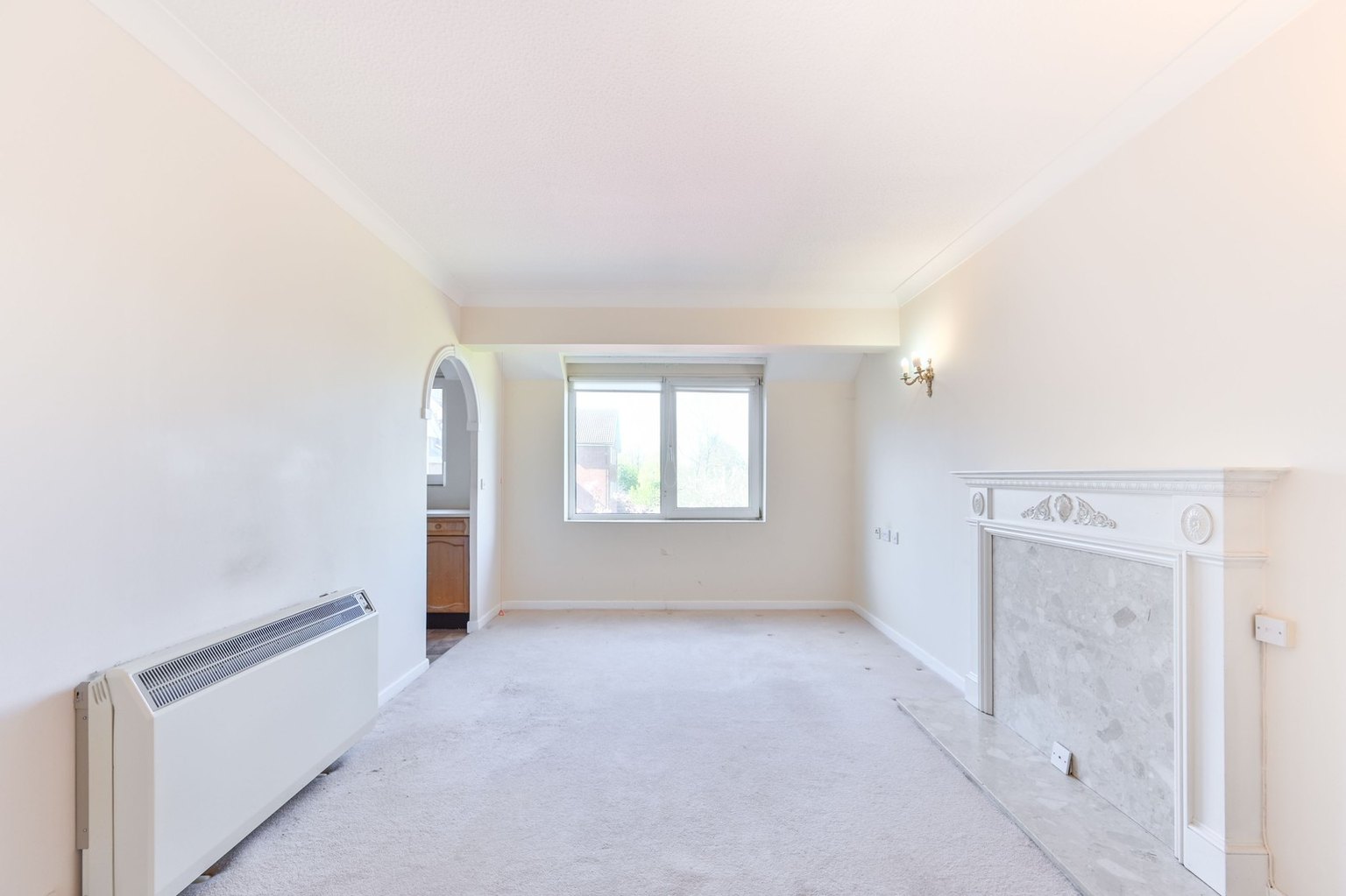
- The building stays. The service is designed to keep walls, windows, doors, floors and fixed fittings as photographed. A drag-to-compare view puts each result against its original for step 1.
- Labels and originals. Each staged photo downloads with a "Virtually staged" label or without one, every original is kept beside it and in an originals folder, and the app gives the remarks sentence above ready to paste.
- The same room in every photo. Up to six ordinary photos of a living room or bedroom are staged from one 3D model of the furnished room, so the sofa in the first photo stands in the same place in the fourth.
- The price. Three photos are 15 credits, US$1.50 on Pro at the time of writing (our pricing).
Virtual staging in Toronto and Ontario gives the prices in Canadian dollars beside Toronto stagers' own.
Common questions
Does RECO's guidance apply to photographers?
It is addressed to registrants, and the agent who publishes a photo answers for it. If you shoot and stage for agents, deliver each staged file labelled and with its original, so the agent has what RECO asks for.
Is "Virtually staged" on the photo enough?
No rule we read says what the label must say. Two words do not tell a buyer that the furniture is not included, and RECO's Bulletin 5.1 says that "Making a statement that is true but vague or incomplete in situations where clarity is necessary would be considered inaccurate". We would add the sentence in the remarks as well.
Does the guidance cover AI that edits the sky or the lawn?
On its wording, yes: it covers "virtual staging or AI modifications" and "any digitally altered images". TRREB's statement allows "colour correction, brightness modification, contrast, enhancement" that does not change the facts. Read against TRREB's wording, a greener lawn can misrepresent the property's condition and a new sky its view, so we would leave both out.
Do buyers complain about altered listing photos?
Not often about AI, so far. RECO told CTV News Toronto it had received "very few" complaints about the use of AI. Of about 2,500 complaints RECO had received in 2026 by mid-November, RECO says about 12% "were about the misrepresentation of property information", according to the same CP24 report.
Your next Ontario listing, staged with Livium AI
- Matched photos. One furnished room behind every angle, usually in minutes.
- Disclosure ready. Labelled or plain downloads, originals kept, and a sentence to paste. Our AI disclosure policy explains labels in full.
- No special kit. Ordinary listing photos, no camera, floor plan or scan.
Start with 25 free credits: no card, enough for a room of up to five photos.
Stage the room once.
Every photo matches.
Upload a few photos of the empty room. Livium AI furnishes it once, in one 3D model with every piece at its real size, so every photo of the listing shows the same furniture in the same place.
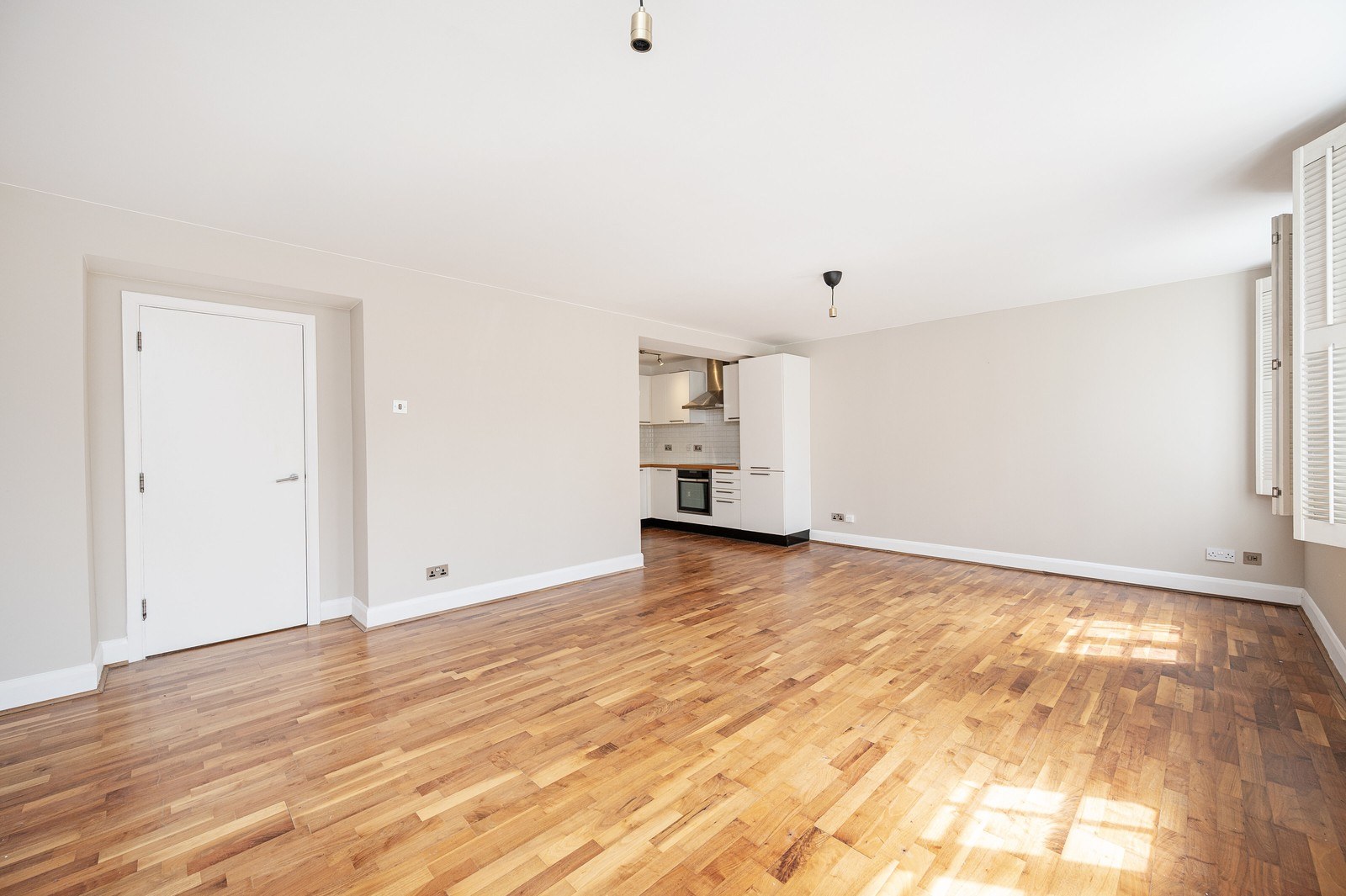
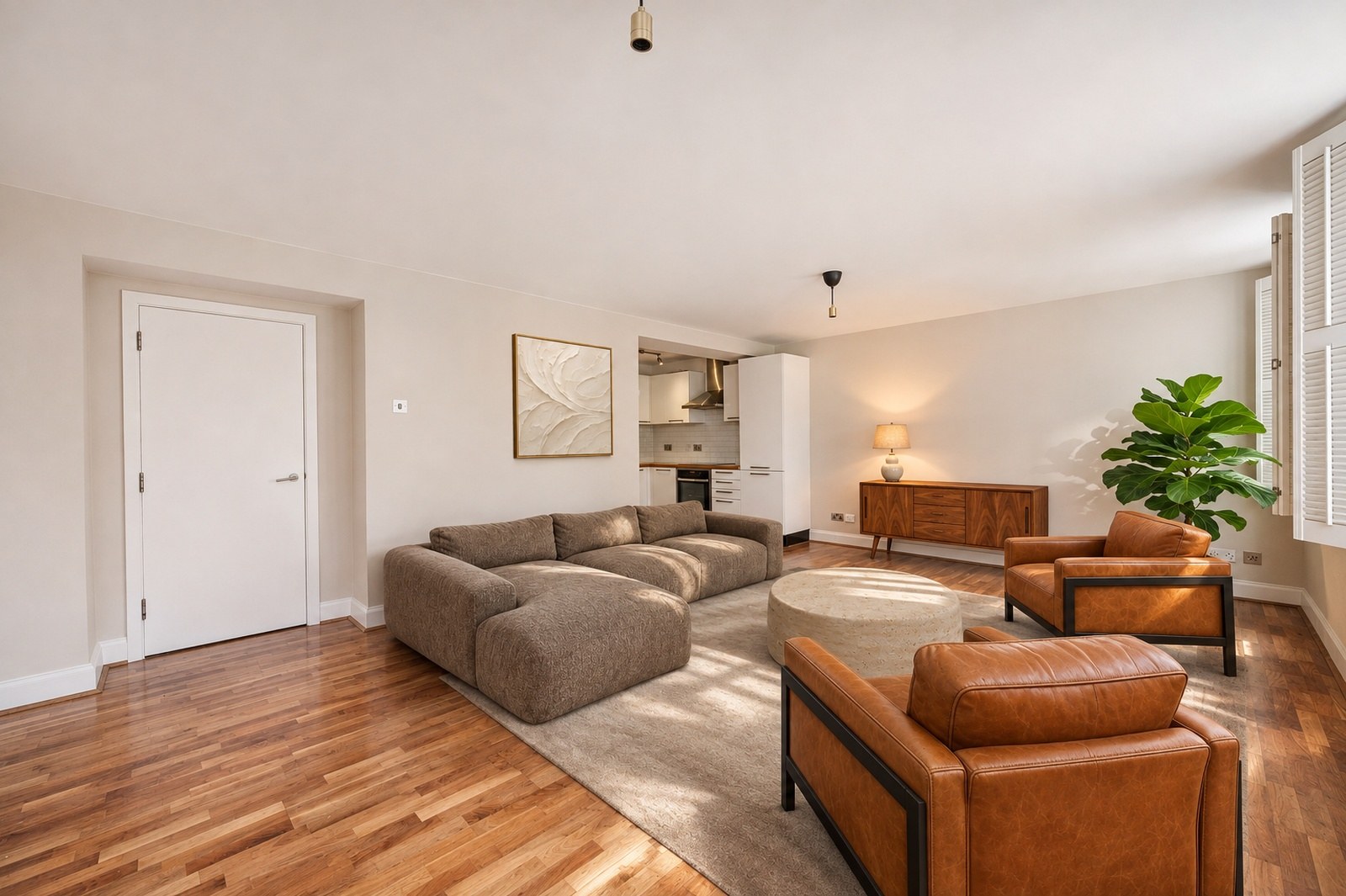 As photographedStaged by Livium AI
Sources
All checked on 23 November 2026.
- RECO Guidance: Use of Artificial Intelligence (opens in a new tab), Real Estate Council of Ontario, October 2026
- RECO Bulletin 5.1: Advertising requirements (opens in a new tab), Real Estate Council of Ontario, current page
- Trust in Real Estate Services Act, 2002, sections 37 and 38 (opens in a new tab), Government of Ontario, e-Laws, consolidated from 1 December 2023
- Ontario Regulation 365/22: Code of Ethics (opens in a new tab), Government of Ontario, e-Laws, consolidated from 1 December 2023
- Highlights: PropTx MLS Rules Changes (opens in a new tab), Ottawa Real Estate Board, November 2024
- Ottawa Real Estate Board to Join Leading-edge PropTx MLS Service (opens in a new tab), Ottawa Real Estate Board, 27 March 2024
- Weekly News: Brokers of Record and Managers, "New MLS Rules Are in Effect" (opens in a new tab), Toronto Regional Real Estate Board, December 2024
- AI is becoming more common in real estate photos. Now, the industry's regulatory body is taking action (opens in a new tab), Alex Arsenych, CP24 and CTV News Toronto, 17 November 2026
Keep reading
Editing listing photos: what you can and can't change
Fix exposure, colour and lens distortion freely. Label staging, furniture removal and new skies. Never change the building, the view or its condition.
Virtual staging disclaimer wording: 12 examples to copy
Twelve virtual staging disclaimers to copy for portals, captions, brochures, WhatsApp and Instagram, the one sentence to use by default, and wording to avoid.
Do you have to disclose virtual staging? Rules in 2026
California makes agents disclose altered sale photos and Ontario's regulator says label them. No UAE rule found. Every rule we could check, quoted and linked.