Do you have to disclose virtual staging? Rules in 2026
California makes agents disclose altered sale photos and link to the originals. We found no published UAE rule. Every rule we could check, quoted and linked.
On this page
In some places, yes, and the list is growing. Few laws name virtual staging, but rules against misleading property adverts apply almost everywhere. Since 1 January 2026, California has required licensed agents to disclose digitally altered images in sale adverts and link to the originals. Wisconsin follows on 1 January 2027, and two US listing services already want the original next to the staged photo. In the UAE we found no published rule on staged images: a Dubai advert needs its Trakheesi permit, and federal law gives consumers a right to correct information.
Key points
- Since 1 January 2026, California has required licensed agents who use a digitally altered image in a sale advert to say so on or next to the image, and to link to the original.
- Wisconsin requires licensees to disclose misleading alterations from 1 January 2027. The New South Wales Government says rental adverts must disclose images altered "to hide faults" from early 2027.
- CRMLS in California and Metro MLS in Wisconsin require the unaltered original next to the altered photo. NorthstarMLS in Minnesota has proposed the same.
- We found no published UAE rule on virtually staged images. Every Dubai advert still needs a Trakheesi permit, with the permit number shown.
- UK law treats an "overall presentation" likely to deceive as misleading but does not mention images. According to the BBC, Rightmove allows AI images that are clearly labelled.
Is virtual staging legal?
Yes, where it does not mislead. None of the rules we read bans it. The ones that go into detail separate furniture, which you may add or take away, from the property itself, which you may not change.
NorthstarMLS's proposed guidelines put it plainly: "Virtual staging is permitted only to add or remove personal property such as furniture and décor." So the real question is whether you must say that a photo is staged, and how.
Where is virtual staging disclosure required?
Written rules exist in California, Wisconsin, New South Wales and at two US listing services. In the UAE and the UK we found only general rules against misleading adverts, plus Rightmove's reported policy.
The table quotes each rule we could open. A multiple listing service (MLS) is the shared listing database that US brokers subscribe to, and each one writes its own rules.
| Where | What the rule says | Who, since when | Source |
|---|---|---|---|
| Dubai, UAE | No published rule on staged images found. Every advert needs a permit, and "the permit number must be displayed on the ad". | Brokerages, any property advert | RERA Brokerage Practice Guide, November 2024 (opens in a new tab) |
| Abu Dhabi, UAE | No published rule on staged images found. Every online advert needs a permit "before going live". | On-shore property for sale or rent, announced July 2025 | Al Tamimi & Company, 4 September 2025 (opens in a new tab) |
| California, US | "a statement disclosing that the image has been altered" and a link to "the original, unaltered image" | Licensees advertising a sale, since 1 January 2026 | Bus. & Prof. Code 10140.8 (AB 723) (opens in a new tab) |
| CRMLS, California | The original "must appear in the listing immediately before or after" the altered image. | MLS users, since 1 January 2026 | CRMLS guidance, updated 20 October 2026 (opens in a new tab) |
| Wisconsin, US | Disclose advertising altered "using technology, including artificial intelligence" that "creates a false or misleading impression of the property" | Licensees, from 1 January 2027 | 2025 Wisconsin Act 69 (opens in a new tab) |
| Metro MLS, Wisconsin | "Upload the original photo immediately followed by the watermarked altered photo." | MLS users, sanctions since 1 September 2026 | Metro MLS, 21 April 2026 (opens in a new tab) |
| NorthstarMLS, Minnesota | Altered images "should be clearly disclosed and accompanied by an unaltered 'before' image" | Proposed on 10 July 2026, not adopted as far as we found | NorthstarMLS guidelines (opens in a new tab) |
| US, NAR members | "present a true picture", and no "use of misleading images" | Realtors, in the Code effective 1 January 2026 | NAR Code of Ethics, Article 12 (opens in a new tab) |
| United Kingdom | Counts as misleading "an overall presentation which is likely to deceive the average consumer". Images are not mentioned. | Traders, sales and lettings, since 6 April 2025 | DMCC Act 2024, section 226 (opens in a new tab) |
| Rightmove, UK | Reported: AI-generated imagery "was allowed on the site if it was clearly labelled". | Agents listing on Rightmove, reported 7 November 2026 | BBC News (opens in a new tab) |
| New South Wales, Australia | Agents must not "change the appearance of a property by digitally removing or adding features". Rental adverts must disclose images "digitally altered or AI-generated to hide faults". | Agents now. The rental rule: landlords and agents, expected from early 2027 | NSW guidelines for agents (opens in a new tab) and NSW Government, 25 September 2026 (opens in a new tab) |
Last checked: 16 November 2026. California's legislature website refused our automated requests, so we read AB 723 as chaptered on CalMatters' Digital Democracy and checked it against the Senate Judiciary Committee's analysis (opens in a new tab) of an earlier draft.
What are the virtual staging rules in Dubai and the UAE?
We found no published UAE rule on virtually staged images. What applies is each emirate's advertising permit, and federal consumer law.
Trakheesi is the Dubai Land Department's (DLD) online system for broker licences and advertising permits. RERA, the DLD's regulatory arm, says in its Brokerage Practice Guide (opens in a new tab) (November 2024) that brokerages "must obtain a permit for any real estate advertisement or marketing material through the Trakheesi system" and that "the permit number must be displayed on the ad". The DLD's permit service (opens in a new tab) covers printed and electronic adverts alike, and asks a broker for the marketing contract with the owner.
Since 24 April 2023, Dubai adverts have also had to carry a QR code from the DLD's Madmoun service. A buyer who scans it can see the approved advert details, including "the property's condition and specifications" (Government of Dubai Media Office (opens in a new tab), 18 April 2023).
None of these pages, nor Bayut's Trakheesi guide (opens in a new tab) (updated 16 November 2026), mentions staged, edited or AI images. Bayut's guide to listing photos (opens in a new tab) (updated 21 October 2026) does not mention virtual staging or AI either, and for empty properties it suggests hiring "home-staging professionals". We found no published rule from Bayut, Property Finder or Dubizzle that bans virtual staging or requires a label. Our article on virtual staging for Bayut and Property Finder covers the portals.
One report says otherwise. An unsigned PropertyNews.ae article (opens in a new tab), whose page shows no date beyond "7 months ago", says the DLD has introduced a "True-View" framework that requires "a verified watermark" on virtually staged images. It names no circular, and we found nothing on the DLD's own pages that confirms it. Treat it as unconfirmed until the DLD publishes something.
In Abu Dhabi, according to the law firm Al Tamimi & Company (4 September 2025), the Abu Dhabi Real Estate Centre (ADREC) has made its Madhmoun listing check mandatory for adverts of on-shore property for sale or rent. It is a different system from Dubai's Madmoun QR code. Al Tamimi writes that "Every online property advertisement must now obtain an advertising permit through ADREC's services portal, DARI, before going live", once ownership, description and size have been checked against the title deed. ADGM, the financial free zone on Al Maryah and Al Reem islands, launched its own advertising permit (opens in a new tab) on 21 August 2025. Neither source mentions images.
Federally, the UAE government portal (opens in a new tab) says the consumer protection law (Federal Law No. 15 of 2020, amended in 2023) covers goods and services "sold or provided by suppliers, advertisers and commercial agents", and gives consumers the right "to obtain correct information" about them. It also lists penalties for suppliers who "advertise misleading prices and false data on the goods and services". We found no published guidance on how it applies to listing photos.
So, as far as we can find, no rule asks a Dubai agent to label a staged photo today. A label costs nothing, and every rule written specifically for altered images asks for one. Our guide to virtual staging in Dubai covers the rest of the local picture.
What does California's AB 723 require?
A licensed agent in California who advertises a sale with a digitally altered image must say so next to the image and link to the original. Assembly Bill 723 added section 10140.8 to the Business and Professions Code, and CRMLS (opens in a new tab) confirms it took effect on 1 January 2026.
The advert must include, in the chaptered text (opens in a new tab), "a statement disclosing that the image has been altered and a link to a publicly accessible internet website, URL, or QR code that includes, and clearly identifies, the original, unaltered image". The statement must be "reasonably conspicuous and located on or adjacent to the image", and must say that the originals can be seen at the link.
- Who. "A real estate broker or salesperson, or person acting on their behalf". It binds licensees and the people acting for them, not portals, and covers adverts "for the sale of real property".
- What counts. An image changed with photo editing software or AI "to add, remove, or change elements in the image, including, but not limited to, fixtures, furniture, appliances, flooring, walls, paint color", and things seen from the property, including "views through windows".
- What does not. Only "lighting, sharpening, white balance, color correction, angle, straightening, cropping, exposure, or other common photo editing adjustments" that "do not change the representation of the real property".
- Your own website. On a site you control, include the unaltered versions in the posting, or link to a public page that clearly identifies them.
A link behind a login does not appear to meet the words "publicly accessible".
What do US listing services and the NAR Code require?
Two listing services already require the original next to the staged photo, and a third has proposed it. Each adds mechanics of its own.
CRMLS (California) adopted Rule 11.5.2 to apply AB 723. Its guidance (opens in a new tab) says the original "must appear in the listing immediately before or after the digitally enhanced image", and the altered photo must be labelled in its description with words such as "digitally altered" or "virtually staged". A photographer does not need to add a watermark, and users "CANNOT add, remove, or modify any real part of a property". A breach brings "a warning at first and then, if not corrected in a timely manner, a $250 fine."
Metro MLS (Wisconsin) requires (opens in a new tab) an "original, unaltered main listing photo first", each original immediately before its altered version, a watermark from the Flexmls tool only, and the phrase "Photos are Digitally Altered" in the public remarks. Since 1 September 2026, an altered photo without the watermark can bring a $10 sanction, and an altered main photo $10 a day until it is replaced. From 1 January 2027, 2025 Wisconsin Act 69 (opens in a new tab) also requires licensees to disclose "in all advertising" any alteration "that creates a false or misleading impression of the property".
NorthstarMLS (Minnesota) published proposed guidelines (opens in a new tab) on 10 July 2026: a label in the caption, in a filename shown in the listing viewer, or "On the altered photo", and "At least one unaltered 'Before' image" for each staged room. We found no notice that the guidelines have been adopted.
The NAR Code of Ethics (opens in a new tab) binds members of the National Association of Realtors in every state. Article 12 requires them to "present a true picture in their advertising, marketing, and other representations", and Standard of Practice 12-10 rules out "use of misleading images".
What are the virtual staging rules in the UK?
No UK law names virtual staging. The Digital Markets, Competition and Consumers Act 2024 (opens in a new tab), in force since 6 April 2025, treats as misleading "an overall presentation which is likely to deceive the average consumer", even where "the information it contains is true". Section 249 (opens in a new tab) counts "immoveable property" as goods and a lease as supply, so lettings are covered as well as sales.
The Act does not mention photographs. Applying it to a staged image is a reading of a general rule, ours included, and we found no UK regulator guidance on the point.
In a BBC report (opens in a new tab) of 7 November 2026, Rightmove said AI-generated imagery "was allowed on the site if it was clearly labelled" (the BBC's words) and that agents are responsible for what they upload. A spokesperson said it takes action "where images are found to be misleading", up to "removing the listing from our platform". We could not find Rightmove's written policy.
What are the virtual staging rules in Australia?
The clearest rules we could open are in New South Wales. Its advertising guidelines for agents (opens in a new tab) (updated 21 September 2026) say agents must not "change the appearance of a property by digitally removing or adding features", and that photographs should be "accurately labelled to prevent consumer doubt". The page does not mention furniture or staging.
On 25 September 2026 the NSW Government announced (opens in a new tab) that parliament had passed its renters' privacy reforms, and that landlords and agents will have "to disclose when property images in rental advertisements have been digitally altered or AI-generated to hide faults which can mislead prospective tenants". It gives penalties of up to A$22,000 for businesses that fail to disclose altered photographs, and expects the laws to start in early 2027. We could not open the bill itself, so this is the government's summary. We found no national rule.
What do the rules have in common?
Between them, the rules we read ask for four things. Listing services add their own mechanics, so read your listing service's rule as well as the law.
| What is asked | Where it is written |
|---|---|
| Say that the image is altered | California, CRMLS, Metro MLS, Wisconsin from 2027, NSW rentals from 2027, NorthstarMLS (proposed), Rightmove (reported) |
| Show the unaltered original, or link to it | California (link), CRMLS and Metro MLS (next to it), NorthstarMLS (proposed) |
| Change furniture and decor only, never the property | CRMLS, NorthstarMLS (proposed), NSW guidelines |
| Do not mislead about the property | NAR Code, UK Act, NSW guidelines, and UAE consumer law in general terms |
The third row is the line between staging and misrepresentation: furniture and decor may change, the property may not.
Who is responsible: the agent or the software?
The advertiser. California's rule binds the "broker or salesperson, or person acting on their behalf". Rightmove says agents are responsible for what they upload. In Dubai, RERA's guide puts the permit duty on the brokerage. None of the rules we read puts a duty on the software that made the image.
Queensland's Office of Fair Trading, quoted by CHOICE (opens in a new tab) (last updated 5 November 2026), warns agents: "Even if you are not aware that content generated by AI is inaccurate, you may still be liable for misrepresentation." Our own AI disclosure policy puts it the same way for images made with Livium AI: the duty to disclose, and the responsibility for the advert, rest with whoever publishes them.
What should you do if your market has no rule?
Follow the strictest version of each requirement in the table above. In practice:
- Label. Put "Virtually staged" on the photo where the portal allows text, and in the caption where it does not. Say where the original can be seen.
- Original. Publish it next to the staged photo, or link to it from a page anyone can open.
- Limits. Change furniture and decor only. Reject any output that changes walls, windows, floors, fittings or the view.
- Furniture. Say that it is not included in the sale or letting.
- Records. No rule we read says how long to keep originals. A California advert must link to the original, so the original has to stay online while the advert runs. Keep each original with its staged version, and a note of where it was published, at least until the deal is done.
Our guide to disclaimer wording has sentences you can paste, and what you may and may not edit in a listing photo covers edits beyond staging.
Common questions
Is a caption enough, or must the label be on the image?
It depends on the rule. California accepts a statement "on or adjacent to the image", and CRMLS asks for a label in the photo's description. Metro MLS requires its own watermark on the image. A label on the image survives when the photo is copied to another site, so use one wherever the portal allows text on photos.
Do the rules cover rentals?
Some do. California's AB 723 covers adverts for sales only. Wisconsin's law covers "all advertising" by licensees, the UK Act covers lettings, and the new NSW law is written for rental adverts. Dubai's permit rule applies to any property advert, for sale or for rent.
Does removing furniture count?
Usually, yes. AB 723 covers images altered to "remove" elements, furniture included, and CRMLS says "Virtually clearing a room of furniture that will not be included at closing as part of the listed price is also considered digitally altered." Metro MLS does not require a watermark for decluttering, because "you are not changing the true and current condition of the physical house". Label a cleared photo anyway, for example "Existing furniture has been digitally removed from this image."
What about brochures and social media?
California's rule covers "an advertisement or other promotional material", so it reaches beyond the listing portal. The DLD's permit list includes printed and electronic adverts. Put the same label on every copy of a staged photo, including the ones your photographer or social media manager posts for you.
How Livium AI handles disclosure
Livium AI, which we make, keeps each staged photo and its original together. Each staged photo can be downloaded with a "Virtually staged" label on it or without one. The original is always kept beside it. The app also gives a sentence to paste beside a staged photo, in English and Arabic: "This image has been virtually staged: the furniture and decor were added digitally and are not included with the property." You can start with 25 free credits to see how it works.
Stage the room once.
Every photo matches.
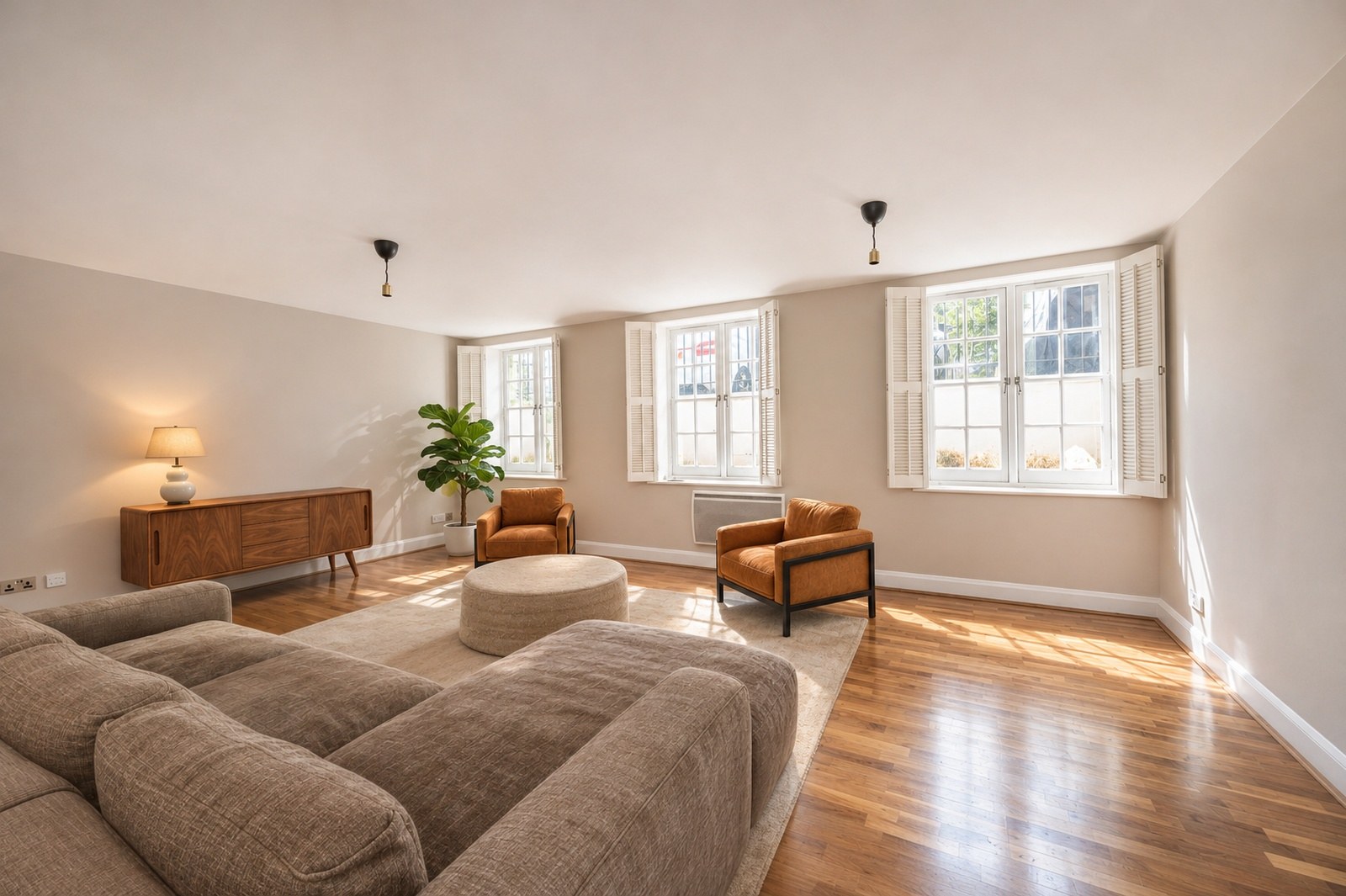
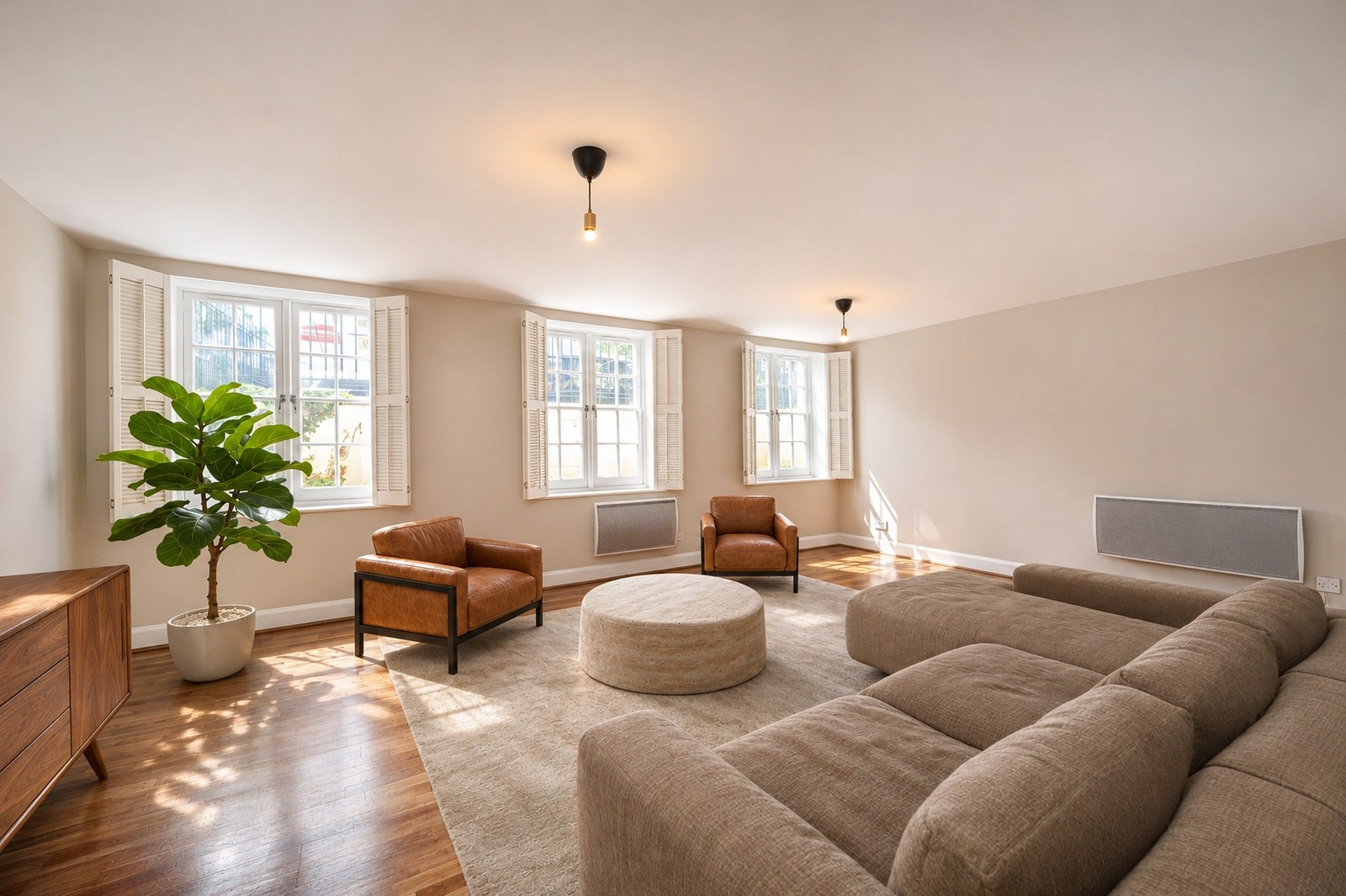
Upload a few photos of the empty room. Livium AI furnishes it once, in one 3D model with every piece at its real size, so every photo of the listing shows the same furniture in the same place.
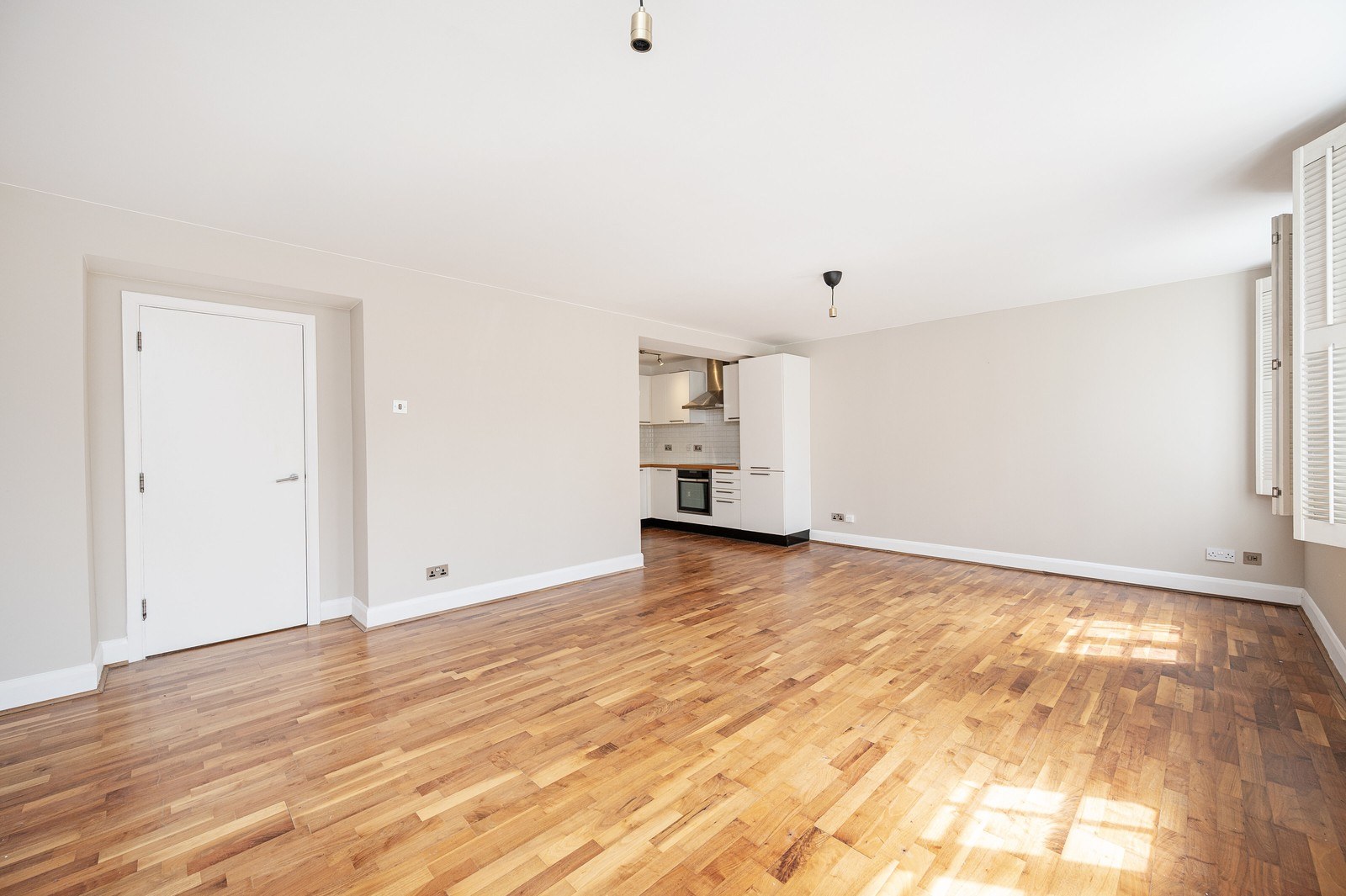
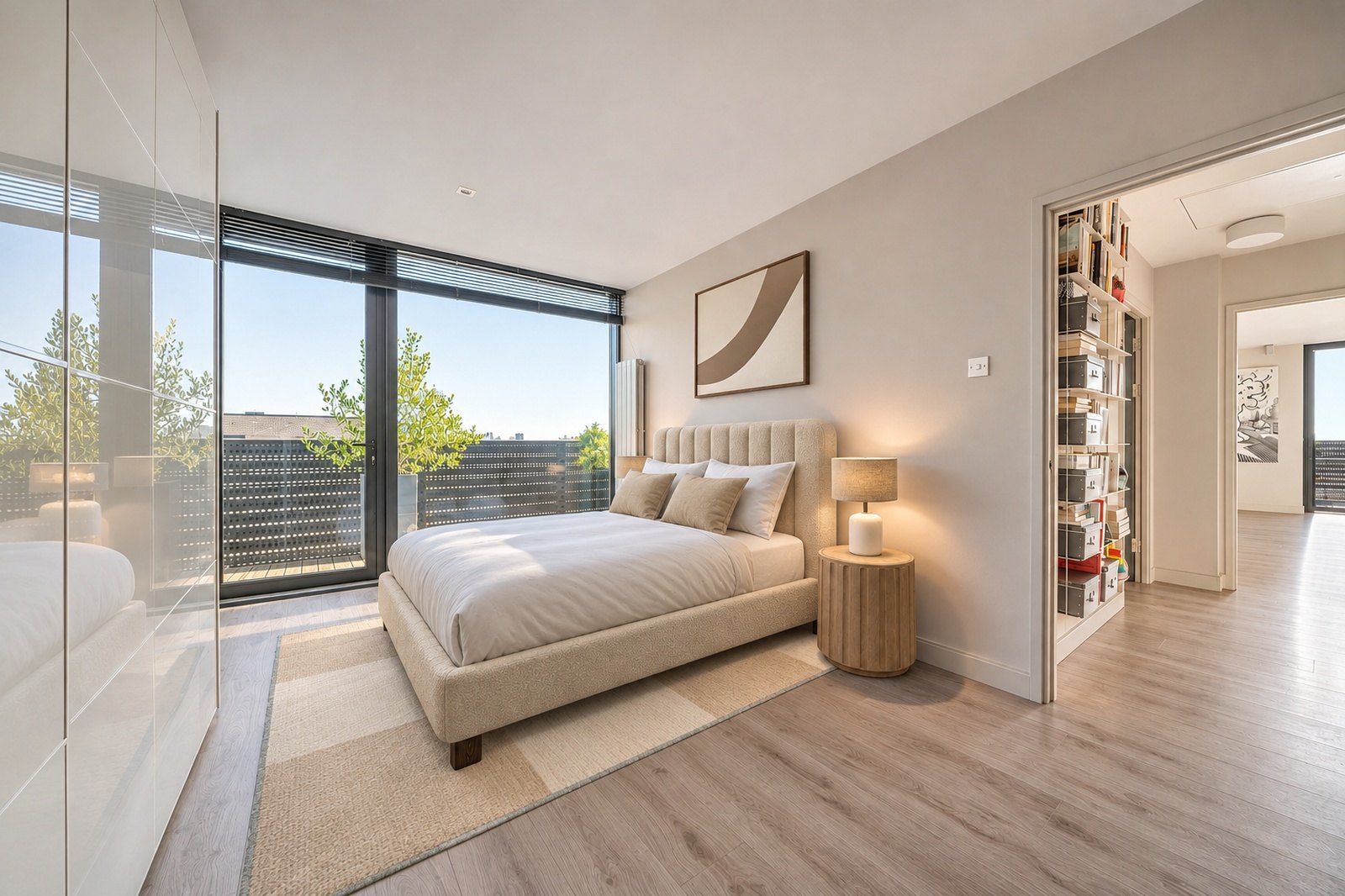
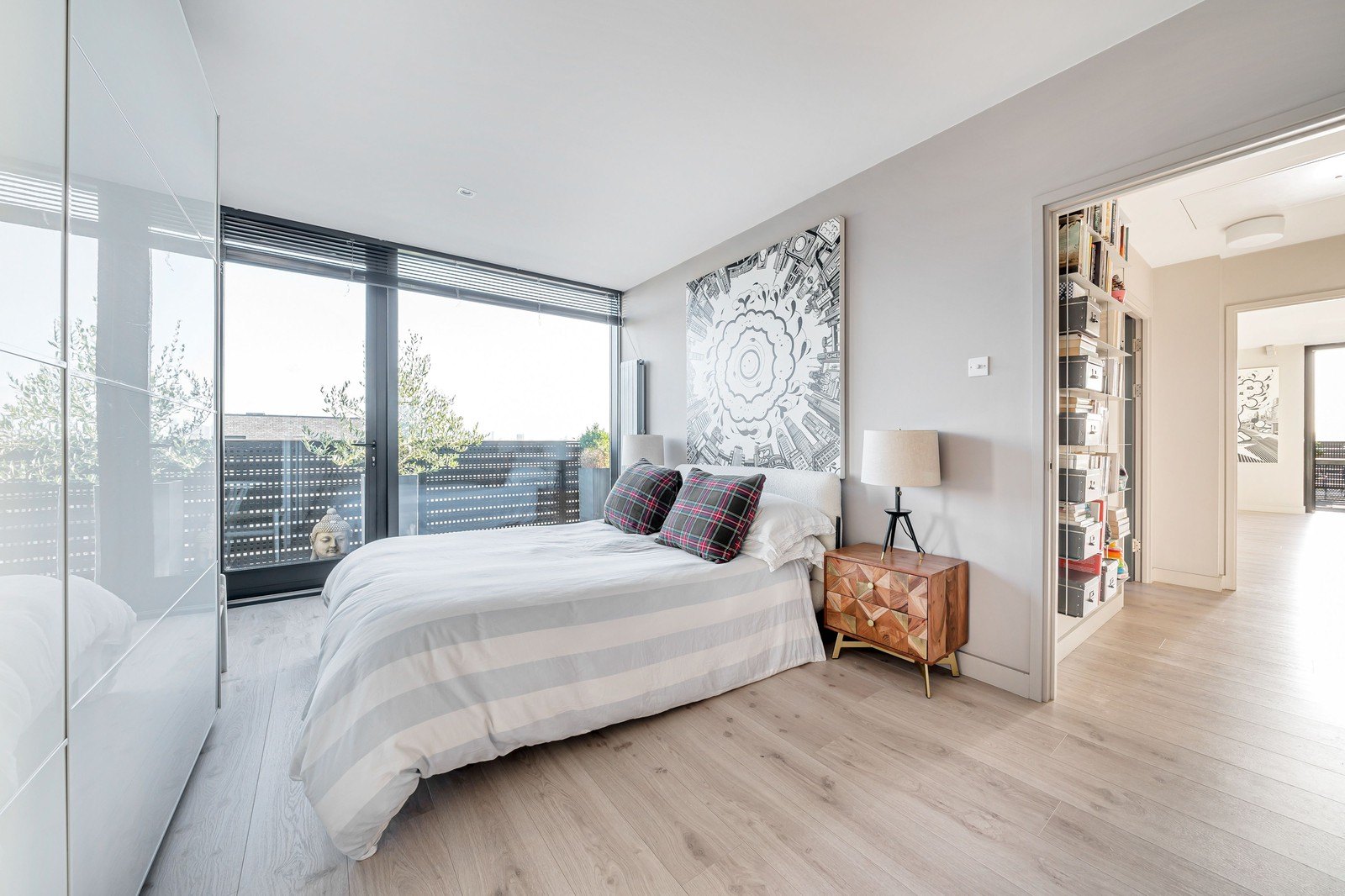
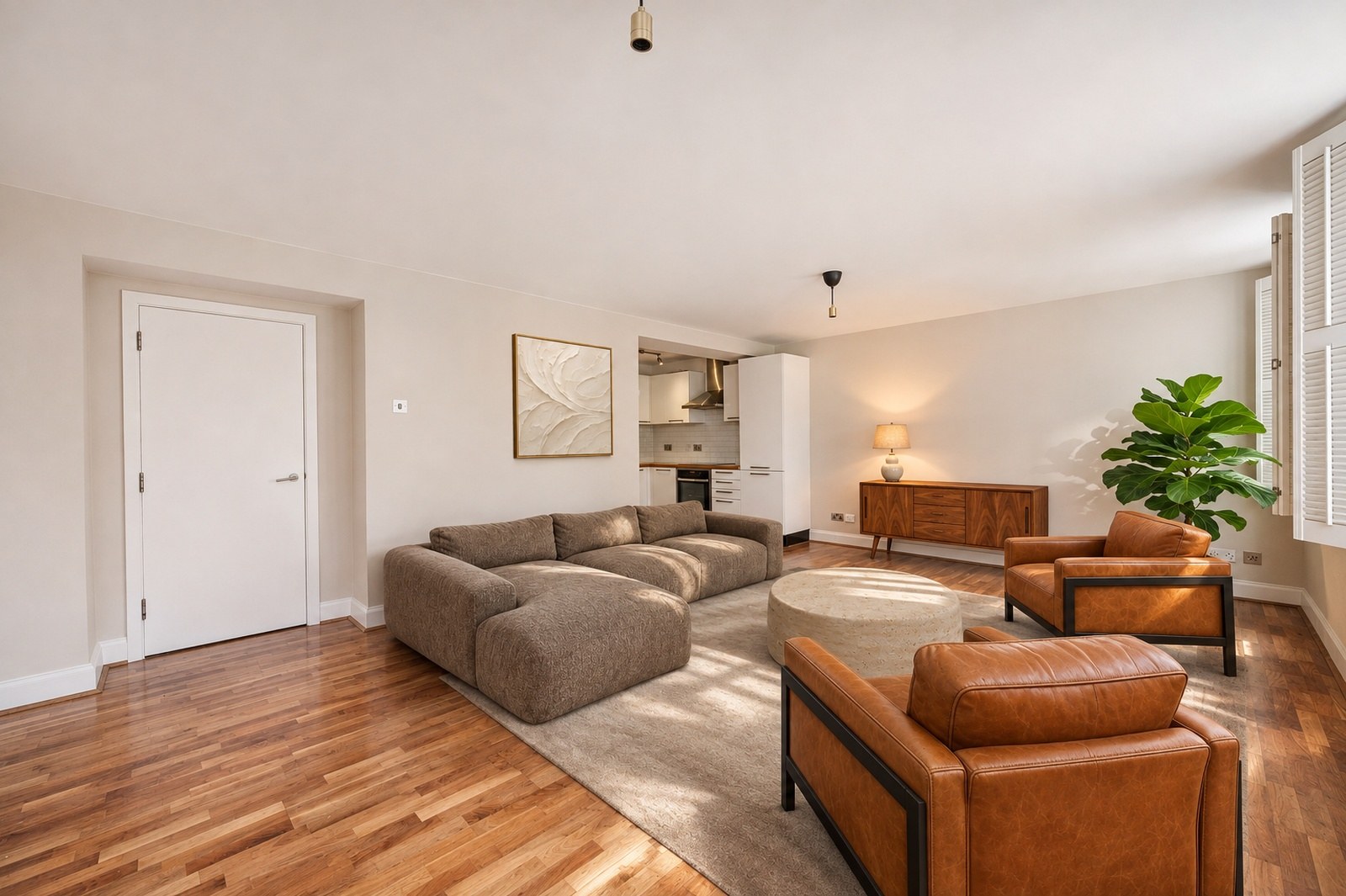 As photographedStaged by Livium AI
Sources
- California Business and Professions Code section 10140.8 (AB 723, Chapter 497, Statutes of 2025), chaptered text as reproduced by CalMatters Digital Democracy, chaptered 10 October 2025 (opens in a new tab)
- California Senate Judiciary Committee, analysis of AB 723 as amended 2 July 2025, hearing of 15 July 2025 (opens in a new tab)
- CRMLS, Digitally Altered Image Guidance and FAQs, updated 20 October 2026 (opens in a new tab)
- Wisconsin State Legislature, 2025 Wisconsin Act 69, enacted 9 December 2025 (opens in a new tab)
- Metro MLS, New Photo Upload Requirements in Flexmls: Original, Altered and Watermark, 21 April 2026 (opens in a new tab)
- NorthstarMLS, Guidelines for Virtual Staging and AI-Enhanced Listing Photos (proposed), 10 July 2026 (opens in a new tab)
- National Association of Realtors, Code of Ethics and Standards of Practice, Article 12, effective 1 January 2026 (opens in a new tab)
- legislation.gov.uk, Digital Markets, Competition and Consumers Act 2024, section 226 (opens in a new tab)
- legislation.gov.uk, Digital Markets, Competition and Consumers Act 2024, section 249 (opens in a new tab)
- BBC News, AI images in property listings is false advertising, house-hunters say, 7 November 2026 (opens in a new tab)
- NSW Government, Advertising guidelines for property agents in NSW, updated 21 September 2026 (opens in a new tab)
- NSW Government, ministerial release on renters' privacy and misleading rental ads, 25 September 2026 (opens in a new tab)
- CHOICE, Housefishing warning: house hunters call out real estate agents using AI images, last updated 5 November 2026 (opens in a new tab)
- Dubai Land Department, Real Estate Ad Permit service page, checked 16 November 2026 (opens in a new tab)
- Dubai Land Department, RERA Real Estate Brokerage Practice Guide, second edition, November 2024 (opens in a new tab)
- Government of Dubai Media Office, DLD Madmoun service to verify real estate ads via QR codes, 18 April 2023 (opens in a new tab)
- Bayut, Complete Guide to the Trakheesi System in Dubai, updated 16 November 2026 (opens in a new tab)
- Bayut, Best Practices for Taking Real Estate Listing Photos, updated 21 October 2026 (opens in a new tab)
- Al Tamimi & Company, Abu Dhabi real estate: new transparency policies introduced by ADREC and ADGM, on Mondaq, 4 September 2025 (opens in a new tab)
- ADGM, Real Estate Advertising Permit service launched with Madhmoun, 21 August 2025 (opens in a new tab)
- UAE Government portal, Consumer protection, updated 2 September 2026 (opens in a new tab)
- PropertyNews.ae, Dubai Mandates Verified Accuracy for Virtual Property Tours, unsigned, dated only "7 months ago" (opens in a new tab)
General information, not legal advice: rules change, so check the ones that apply to your listing.
Keep reading
Editing listing photos: what you can and can't change
Fix exposure, colour and lens distortion freely. Label staging, furniture removal and new skies. Never change the building, the view or its condition.
Virtual staging disclaimer wording: examples to copy
Virtual staging disclaimer wording to copy: twelve versions for portals, brochures, WhatsApp and Instagram, Arabic captions, and wording to avoid.
Is virtual staging worth it? An honest answer
Usually, for an empty room judged online, at a few dirhams a photo. No study we found measures its effect on price or speed. The evidence, costs and risks.