Virtual staging for photographers: adding it to your shoot
How property photographers can add virtual staging to a shoot: what changes on site, how to price it per room, what to deliver and who labels the photos.
On this page
For a property photographer, virtual staging works best as a per-room add-on to shoots of empty properties. You already hold the two things it depends on: the original photos and the agent who commissioned them. It changes the shoot a little (more overlap between angles, the whole floor in frame), adds a check before delivery, and means agreeing in writing who labels the staged images.
Key points
- Sell staging by the room and cost it by the photo. A room shot from three angles is three staged photos, which must all show the same furniture in the same place.
- At about $0.50 a staged photo (Livium AI's Pro plan, at the time of writing), the software is the small cost. Your time choosing furniture and checking results is the large one.
- Real Estate Club Dubai, a business directory, quotes AED 150 to 400 an image for virtual staging on one page and AED 200 to 500 on another, without saying where either figure comes from.
- In a Coraly study of US listing photos, reported by HousingWire on 24 June 2026, more than 90% of altered images showed no visible disclosure. The report blamed the workflow, not the agents.
- The agent publishes the advert and answers for its labels. Your terms should say that staged images must be disclosed.
Should photographers offer virtual staging?
Yes, for empty properties where you can shoot each room from more than one spot. Say no, or price it as a different job, when the home is occupied and you get one visit, or when the client wants the building itself changed.
The case rests on the originals, the evidence if anyone questions a staged photo. HousingWire reported (opens in a new tab) on 24 June 2026 that Coraly, a real estate intelligence platform, called missing disclosure in US listings "a workflow problem": a photographer "delivers JPEGs with no metadata, no record of what was altered", and the originals stay on the photographer's hard drive, "sometimes deleted after delivery". If you do the staging, both halves leave your studio together.
Sell it alongside the photographs, not instead of them. In the US National Association of Realtors' 2025 Profile of Home Staging (opens in a new tab), 88% of sellers' agents said photos in their listings were "much more or more important" to their clients, while 34% considered virtual staging "less important". NAR had 1,266 answers to its February 2025 survey. The photographs stay the core of the job, and staging adds to them.
Two jobs to turn down or price separately:
- Occupied homes shot in one visit. The owner's furniture has to be removed digitally before staging, which is a job of its own. Price it separately, and shoot each room from more than one spot.
- Requests to change the building. There is a sentence for that conversation further down.
How does virtual staging change the shoot?
Only a little, and you know your lens and your light better than we do. This is what a staging system needs, from our guide to photographing a room for staging.
- Overlap. Shoot each room from at least two spots, and make every frame share a window, door or corner with another. The tutorial for COLMAP (opens in a new tab), open-source software that works out camera positions from photos, asks for "high visual overlap" and says not to shoot "from the same location by only rotating the camera".
- Floor and corners. Keep the line where floor meets wall visible on both sides of a corner. Do not trade floor for ceiling.
- One height, level. The same camera height for every angle of a room, verticals straight. Our guide suggests 1.2 to 1.5 metres.
- Low distortion. No fisheye or extreme wide angle, so walls stay straight and the room keeps its true proportions.
- One light. Every angle in one visit, the same lamps and curtains, exposures blended alike.
- The frame you deliver. Stage the frame you will deliver as the original, before any crop, logo or heavy retouching, so the two line up when your client publishes them side by side.
How should you price virtual staging?
Price from your own costs: the software for each staged photo, your time and a margin. We will not suggest a figure, but here is the arithmetic.
Per room or per photo?
Sell rooms and count photos. The agent thinks in rooms, but your cost runs per photo: a living room staged from three angles is three staged photos. A room price covering a set number of angles, plus a price for each extra one, is easy to read and keeps your sum honest. Per-photo pricing invites "just the wide shot", and a room furnished in one photo and empty in the next is harder for a buyer to read.
Offer it for living rooms and bedrooms. We leave kitchens and bathrooms as photographed, because their fittings are part of what is for sale.
What does one room cost you?
Here is the sum for a living room shot from three angles. The times are our rough estimates, so time your own first few rooms.
| Line | What to count | Three angles |
|---|---|---|
| Software | Staged photos times the cost of one | 3 at about $0.50, about AED 5.50 |
| Re-makes | A photo made again, for example in another style for the client, if your tool charges for it | Allow one more photo at first |
| Choosing furniture | With the client | About 10 minutes |
| Checking | Each staged photo against its original | About 2 minutes a photo |
| Delivery | Files, labels, names, a note of changes | About 5 minutes |
| Margin | Yours to set | Yours to set |
The software line is Livium AI's Pro plan, which we sell, at the time of writing: $19.99 a month for 200 credits, and at 5 credits a staged photo that is 40 photos at about $0.50 (about AED 1.84) each. See the pricing page for the other plan, or put in your own tool's figure.
In our tool the first re-make of a photo is free, so the room costs about AED 5.50 in software and about 20 minutes of your time. At most professional rates the time is the bigger cost, so the price you set is mainly for your time and attention. Divide a monthly plan by the photos you really stage: six photos in a month on Pro is about $3.33 each.
What does virtual staging cost per image in Dubai?
Real Estate Club Dubai, a directory that passes enquiries to the firms it lists, gives AED 150 to 400 an image on its photography directory page (opens in a new tab) (updated October 2026) and AED 200 to 500 on its staging directory page (opens in a new tab) (updated June 2026). Neither page says where its figure comes from, so treat both as indicative (checked November 2026). The same site's cost guide of 15 June 2026 (opens in a new tab) puts a basic apartment photo set at AED 350 to 1,500 for 10 to 25 edited images. At those figures, three staged angles can cost an agent as much as the whole shoot.
How do you check the results?
Put each staged photo beside its original at the same size and go round the fixed things. You saw the room, so you are the best person to check it.
Work from the ceiling down, counting fittings, sockets and window bars in both photos, then look out of the window. Then check that the staged photos of the room agree with each other. Our list of virtual staging mistakes that make a listing look fake has the full checklist. If a photo fails, make it again or deliver that view as photographed.
What do you deliver with a staged set?
Every staged photo with its original, in a form the agent can publish without ringing you first.
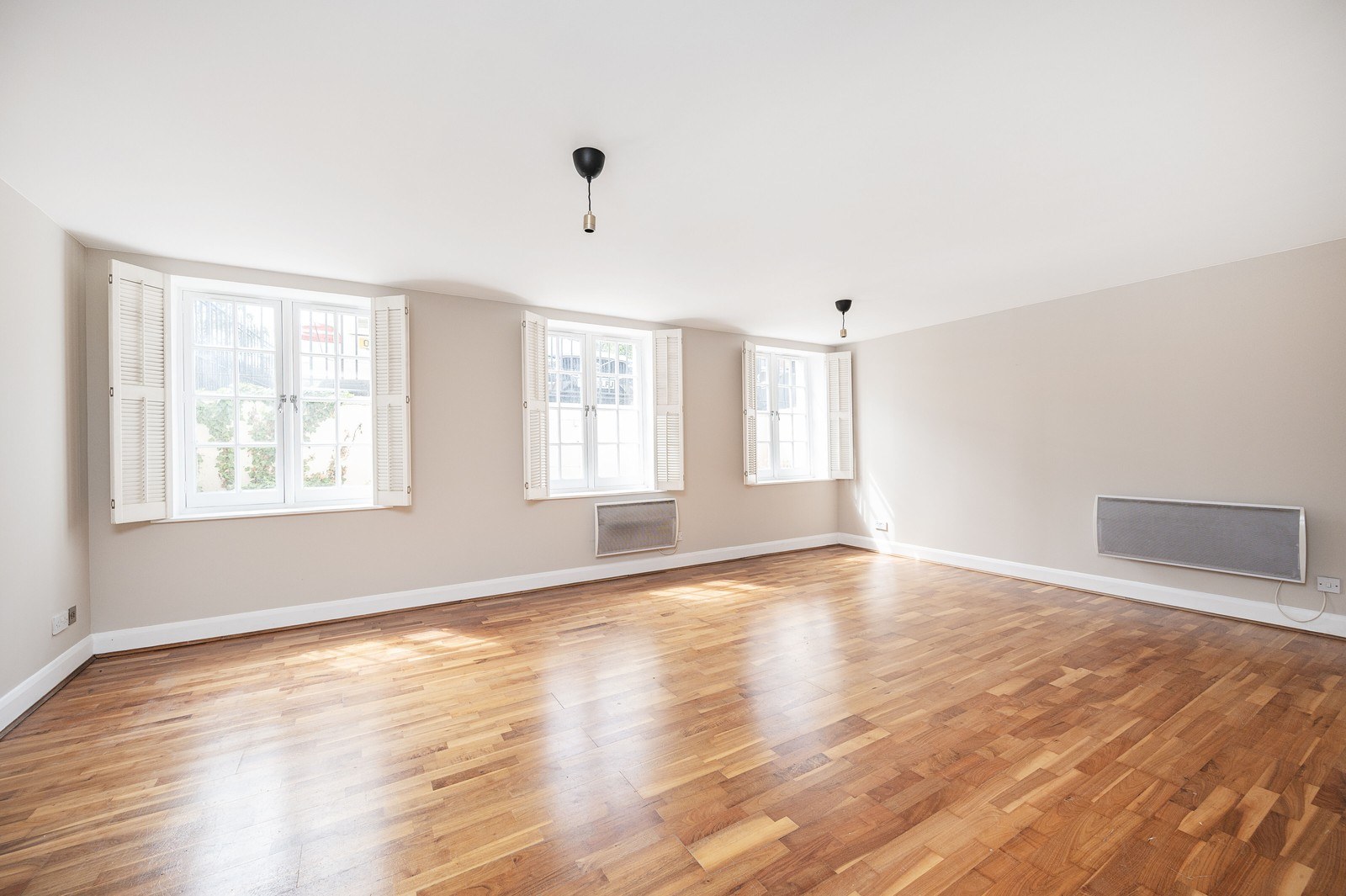
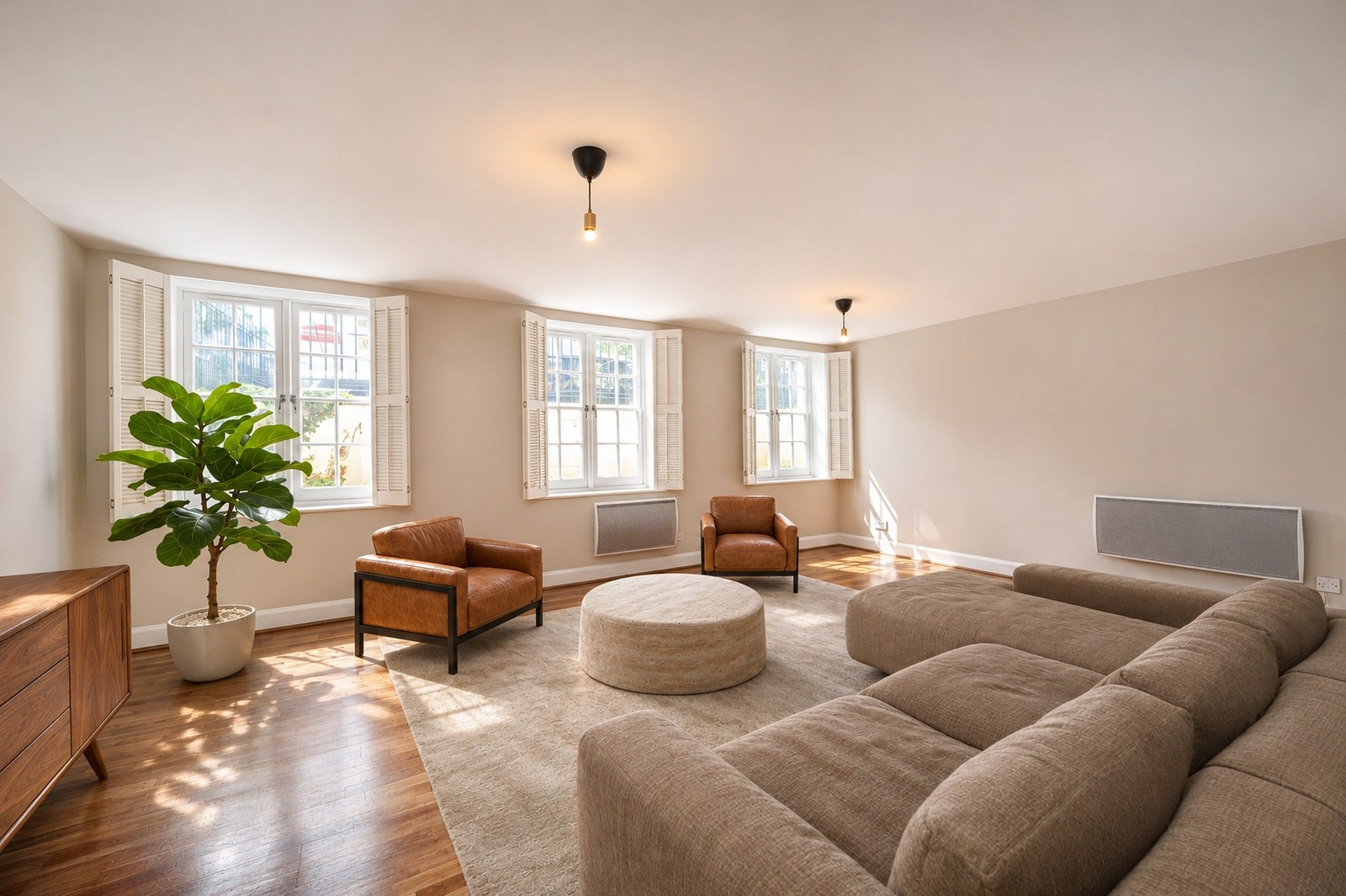
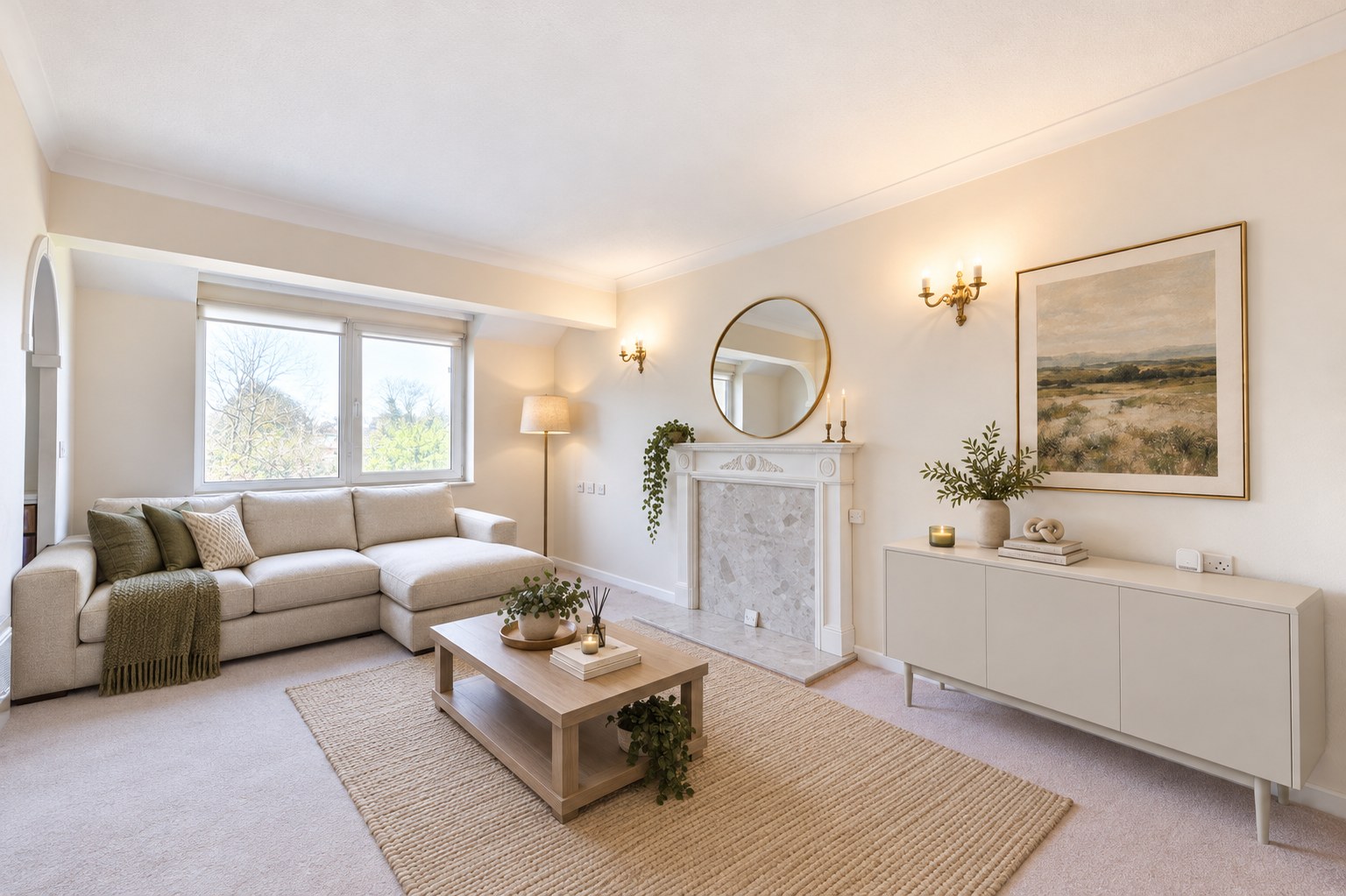
- Pairs, named as pairs. For example
living-2-original.jpgandliving-2-virtually-staged.jpg. NorthstarMLS, a US multiple listing service (MLS, the shared database where agents in one region list homes), has proposed accepting (opens in a new tab) the disclosure in a "filename visible in the listing viewer". - Each staged photo twice. With a "Virtually staged" label on the image and without, for portals that limit text on photos.
- The caption sentence. For example: "This image has been virtually staged: the furniture and decor were added digitally and are not included with the property." Our disclaimer wording article has other versions.
- A note of what changed. For example: "Living room: sofa, two armchairs, coffee table, sideboard, rug and plant added."
- A link to the originals. A shared folder works, and our export puts each original in an originals folder beside its staged photo.
- Your own archive. Originals and staged versions, kept for at least as long as the listing is live.
Who labels the photos, and who is responsible?
The agent publishes the advert, so the agent labels it and answers for it. Your part is to make labelling easy and to put the expectation in writing.
In Dubai, the Real Estate Regulatory Agency (RERA) says in its Brokerage Practice Guide (opens in a new tab) (November 2024) that brokerages "must obtain a permit for any real estate advertisement or marketing material through the Trakheesi system", the Dubai Land Department's permit system. We found no published UAE rule on virtually staged images, and no published portal rule either way. The closest is Property Finder's undated checklist for Verified listings (opens in a new tab), which says "Computer-generated (CGIs) or developer images won't be approved" without saying whether a staged photo counts as one.
California's section 10140.8 (opens in a new tab) of the Business and Professions Code, in force since 1 January 2026, requires "a real estate broker or salesperson, or person acting on their behalf" who advertises a sale with an altered image to say so and link to "the original, unaltered image". Whether that reaches a photographer is a question for a California lawyer. Our article on disclosure rules covers other places.
Points for your terms, in your own words and checked by your own lawyer:
- Staged images illustrate how a room could be furnished. The furniture and decor are not part of the property.
- The client labels every staged image wherever it is published, keeps the original available, and checks each staged image against its original first.
- You change furniture and decor only, never permanent features of the property.
Our photo licence asks a photographer working for a brokerage to confirm "that the brokerage knows the images must be disclosed as virtually staged". Label your own before and after posts on social media too.
What do you say when a client asks for more than furniture?
Say no to anything that comes with the flat. Furniture and the owner's belongings can change, with a label. The pylon, the view and the crack cannot.
California counts an image changed to add, remove or change "utility poles" or "views through windows" as digitally altered, so it needs the same disclosure as added furniture. NorthstarMLS's proposed guidelines (opens in a new tab) of 10 July 2026 go further: they prohibit "Alterations that change or hide permanent or structural elements of the property", and allow "minor retouching for dust or camera artifacts". Dust on your sensor is yours to clean. A crack in the wall belongs to the property.
A sentence you can use: "I can add furniture and take out the owner's things, because a buyer can take those away or replace them. I won't remove the pylon, change the view or hide the crack, because they come with the flat." Our article on what you can and can't change in a listing photo sorts the common edits.
Common questions
Do I need the owner's permission?
Ask the agent to confirm in writing that the owner agrees to staged images. In Dubai, the brokerage's authority to market comes from Contract A, which RERA's guide calls "An agreement to market a property between the seller and the real estate brokerage".
Can I stage photos I took last year?
Yes, if the room still looks like the photo. Ask the agent whether the flooring, paint, fittings or condition have changed, and check that your licence covers a new listing and staged versions.
Do I keep the copyright in a staged photo?
Your licence decides what the agent may do with a staged version, so say whether it covers one. The furniture an AI model adds may have no protection of its own: the US Copyright Office said on 29 January 2025 (opens in a new tab) that AI output can be protected "only where a human author has determined sufficient expressive elements". Rules differ by country. Our photo licence asks anyone who uploads a photographer's work to have the photographer's permission, "including having it edited by AI".
Should the staged photos carry my watermark?
Not the files meant for portals. Property Finder's Verified checklist, written for agents, asks that "The watermark represents your company logo" and warns that "Excessively large watermarks or double watermarks won't be approved". Your credit beside the agency's logo makes two. Put your credit in the file's metadata and your delivery note.
Staging a room with Livium AI
Livium AI stages living rooms and bedrooms from up to six photos of a room. It builds one 3D model of the furnished room and renders it from each photo's camera position, so every angle shows the same furniture in the same place, and an AI image model then paints the final photos. Each staged photo downloads with a "Virtually staged" label or without one, and the export puts every original in a folder beside it, ready to pass to the agent. Each new person with a confirmed email address gets 25 free credits, enough for five staged photos, watermarked, with no card. Start free on your next empty shoot.
Stage the room once.
Every photo matches.
Upload a few photos of the empty room. Livium AI furnishes it once, in one 3D model with every piece at its real size, so every photo of the listing shows the same furniture in the same place.
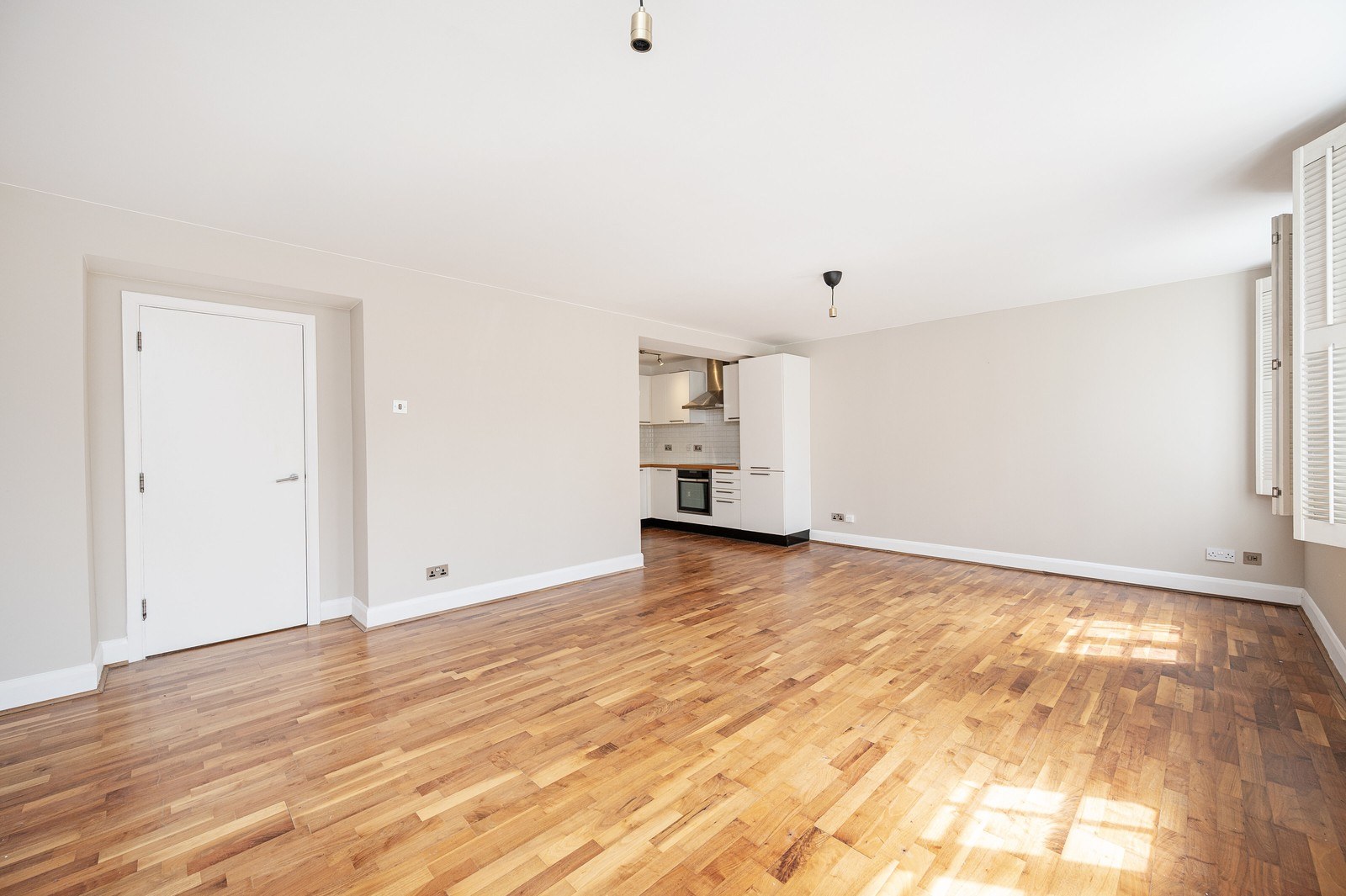
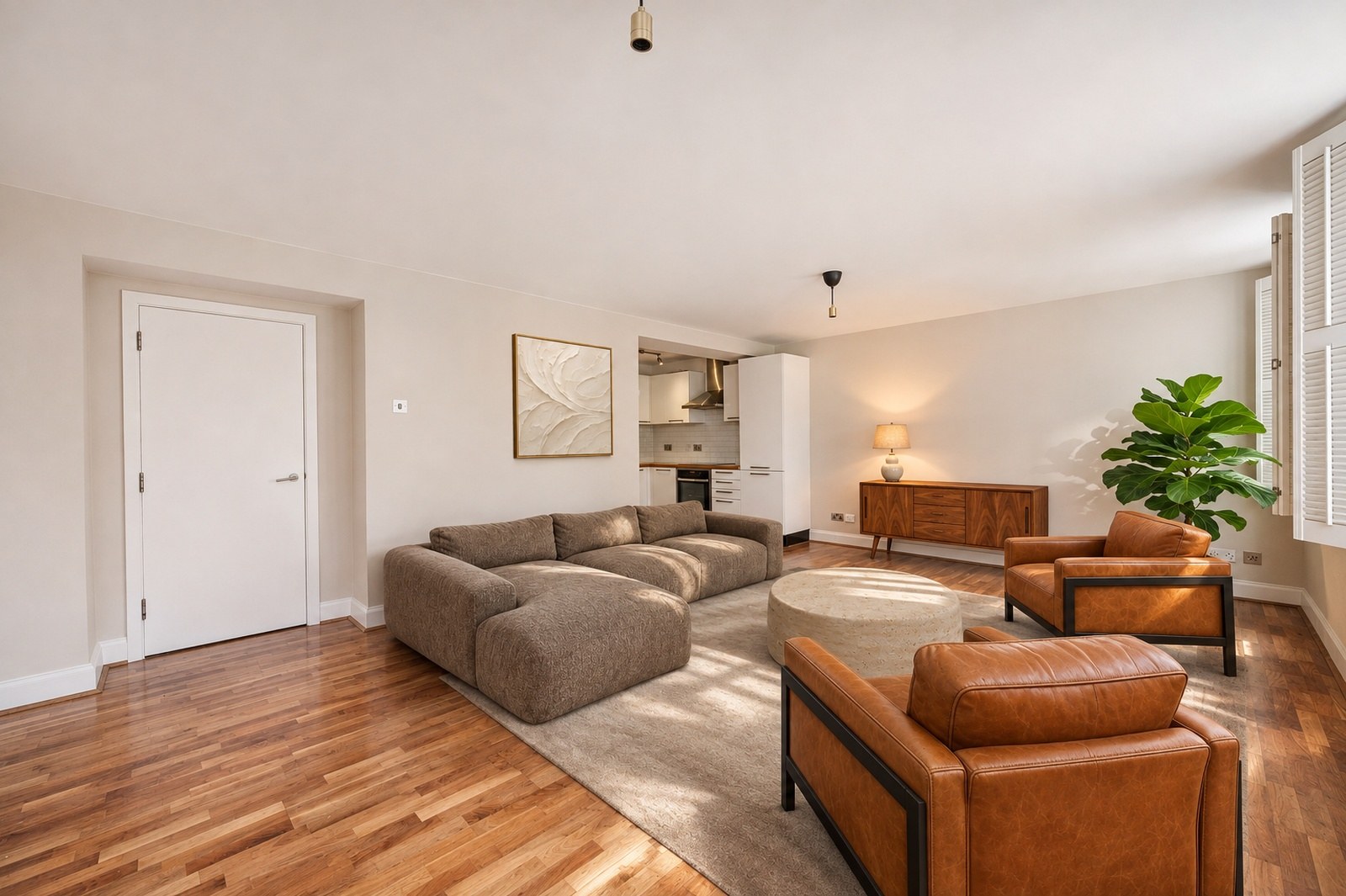 As photographedStaged by Livium AI
Sources
All links last checked 16 November 2026.
- HousingWire, Most AI-altered listings go undisclosed, California law bans it (opens in a new tab), Jonathan Delozier, 24 June 2026. Reports Coraly's study.
- National Association of Realtors, NAR report reveals home staging boosts sale prices and reduces time on market (opens in a new tab), press release on the 2025 Profile of Home Staging, 6 May 2025.
- COLMAP, Tutorial (opens in a new tab), project documentation, undated.
- Real Estate Club Dubai, RE photography and virtual tour companies in Dubai (opens in a new tab), directory page, updated October 2026.
- Real Estate Club Dubai, Furniture and home staging companies in Dubai (opens in a new tab), directory page, updated June 2026.
- Real Estate Club Dubai, Real estate photography cost in Dubai 2026 (opens in a new tab), RECD Editorial, 15 June 2026.
- Real Estate Regulatory Agency, Dubai Land Department, Real Estate Brokerage Practice Guide (opens in a new tab), second edition, November 2024.
- Property Finder, Verified listing: fact sheet and checklist (opens in a new tab), PDF, undated.
- California Business and Professions Code, section 10140.8 (opens in a new tab) (AB 723), in force from 1 January 2026, as reproduced by California.Public.Law.
- NorthstarMLS, Guidelines for Virtual Staging and AI-Enhanced Listing Photos (opens in a new tab) (proposed), 10 July 2026.
- US Copyright Office, Copyright Office Releases Part 2 of Artificial Intelligence Report (opens in a new tab), NewsNet issue 1060, 29 January 2025.
- Livium AI, Photo Licence Terms, version dated 17 November 2026.
Keep reading
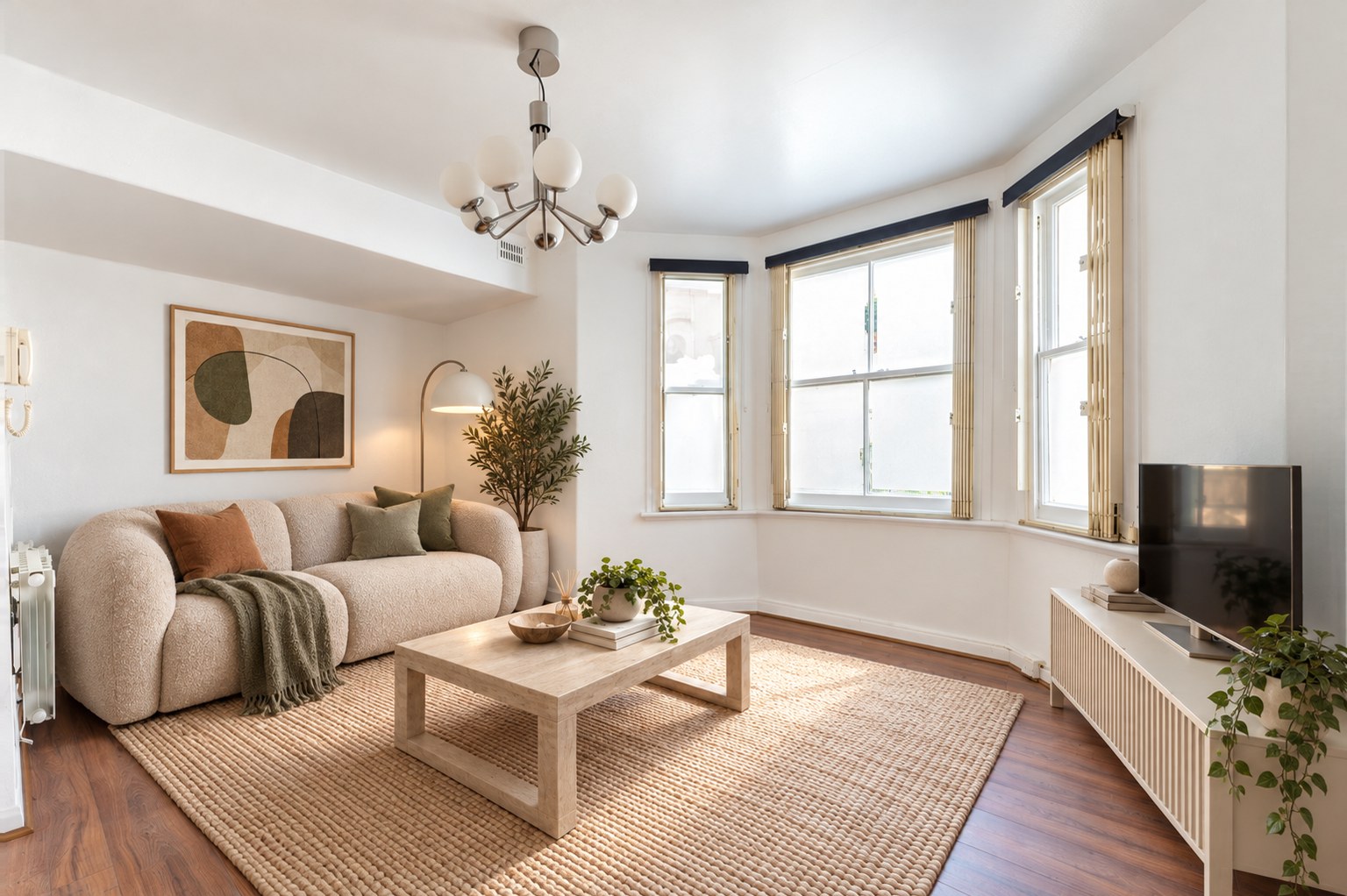
How to photograph an empty room for virtual staging
Where to stand, how high to hold the camera, which lens to use and what to clear, so an empty room can be staged well from photos taken on a phone.
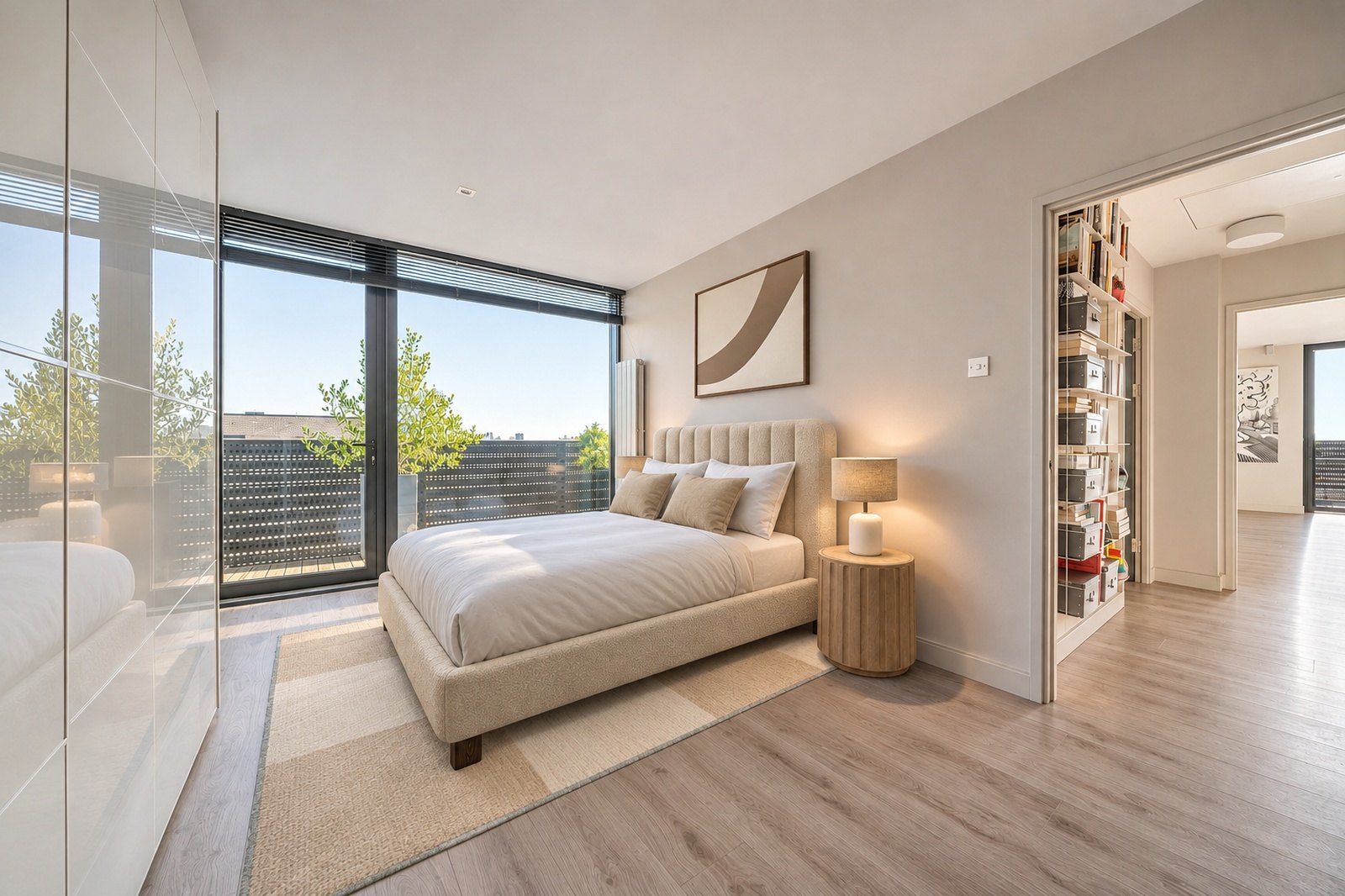
How many photos does a property listing need?
Enough to show every room once and the main rooms from two or three sides: 10 to 15 for a one-bedroom. Portal minimums, a shot list and the order to use.
Is virtual staging worth it? An honest answer
Usually, for an empty room judged online, at a few dirhams a photo. No study we found measures its effect on price or speed. The evidence, costs and risks.