Virtual staging vs 3D rendering: which do you need?
A 3D render is drawn from plans, so it can show a unit not yet built. Virtual staging adds furniture to a photo of a real room. Which to use, and the costs.
On this page
A 3D render is a picture built entirely by computer from the architect's drawings, so it can show a unit that does not exist yet. Virtual staging adds furniture to a photograph of a real room, so it needs a finished room, and the buyer sees that room's real windows, view and finishes. If the room can be photographed today, stage the photograph. If it cannot, render it. In Dubai, where most sales are off-plan, most projects need renders before handover and staged photos after it.
Key points
- A 3D render is built from drawings and can show a unit before it exists. Virtual staging needs a photograph of the finished room, so an off-plan unit gets a render, labelled as one, until it is built.
- Off-plan sales were 62.6% to 72% of Dubai property transactions in 2025, depending on the source and what it counts.
- RERA's Circular 2-2022 requires an off-plan advert to show the developer's name, project name, project number, project location and approved escrow account number.
- Indicative prices, November 2026: AED 500 to 12,000 an image for a render, AED 200 to 500 an image for studio virtual staging, under AED 10 a photo on software.
What is the difference between virtual staging and a 3D render?
A render is drawn from plans. A staged photo is a photograph with furniture added.
A 3D render, or CGI (computer-generated image), is made by an artist who builds the room in 3D software from the drawings, adds materials, light and furniture, and has the computer draw it. Nothing in it was photographed. It shows what the unit is meant to look like.
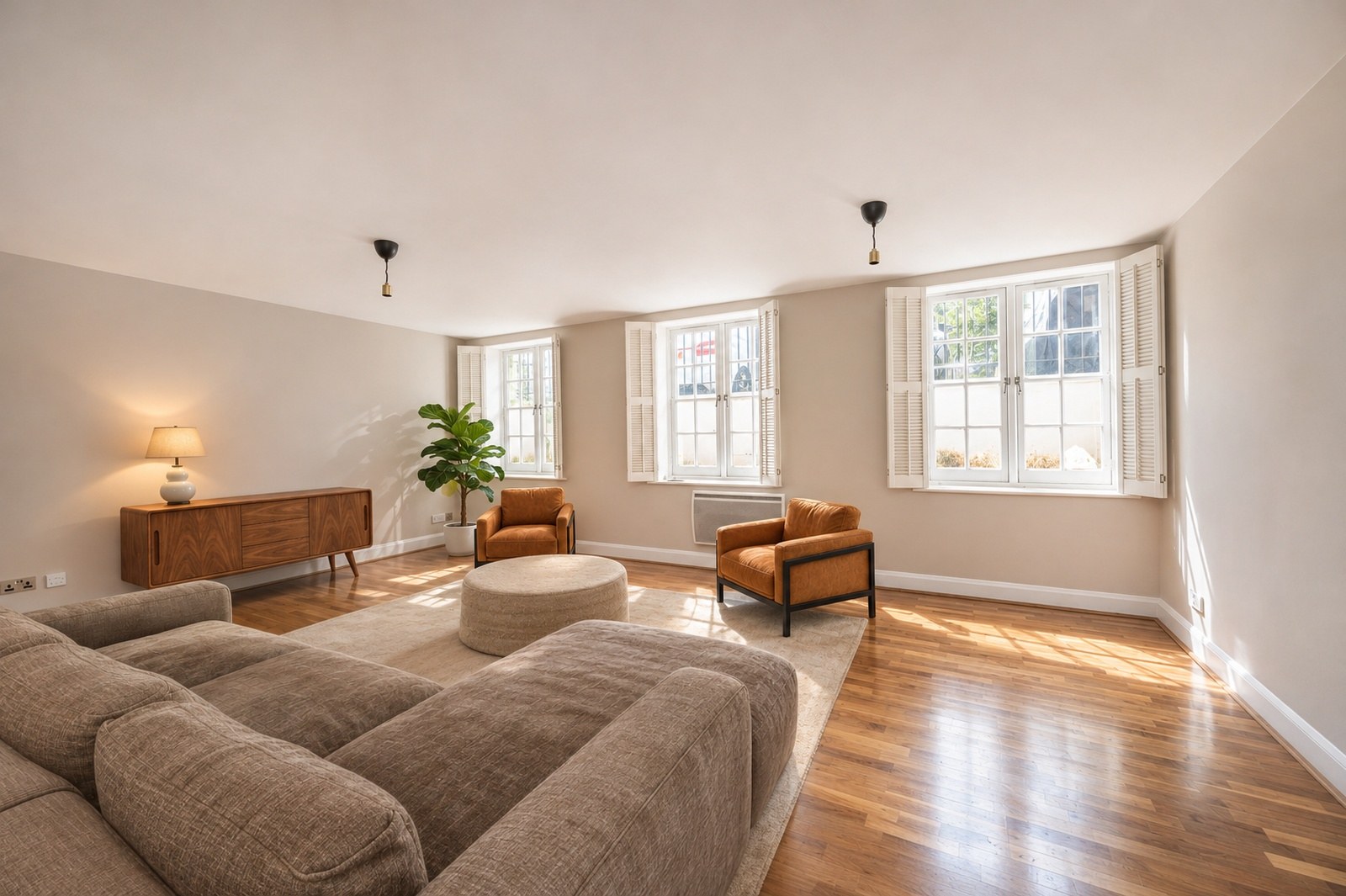
Virtual staging is a photograph of a real room with furniture and decor added digitally. The walls, floor, windows, fittings and view are what the camera recorded. Only the furniture is invented, and it does not come with the property.
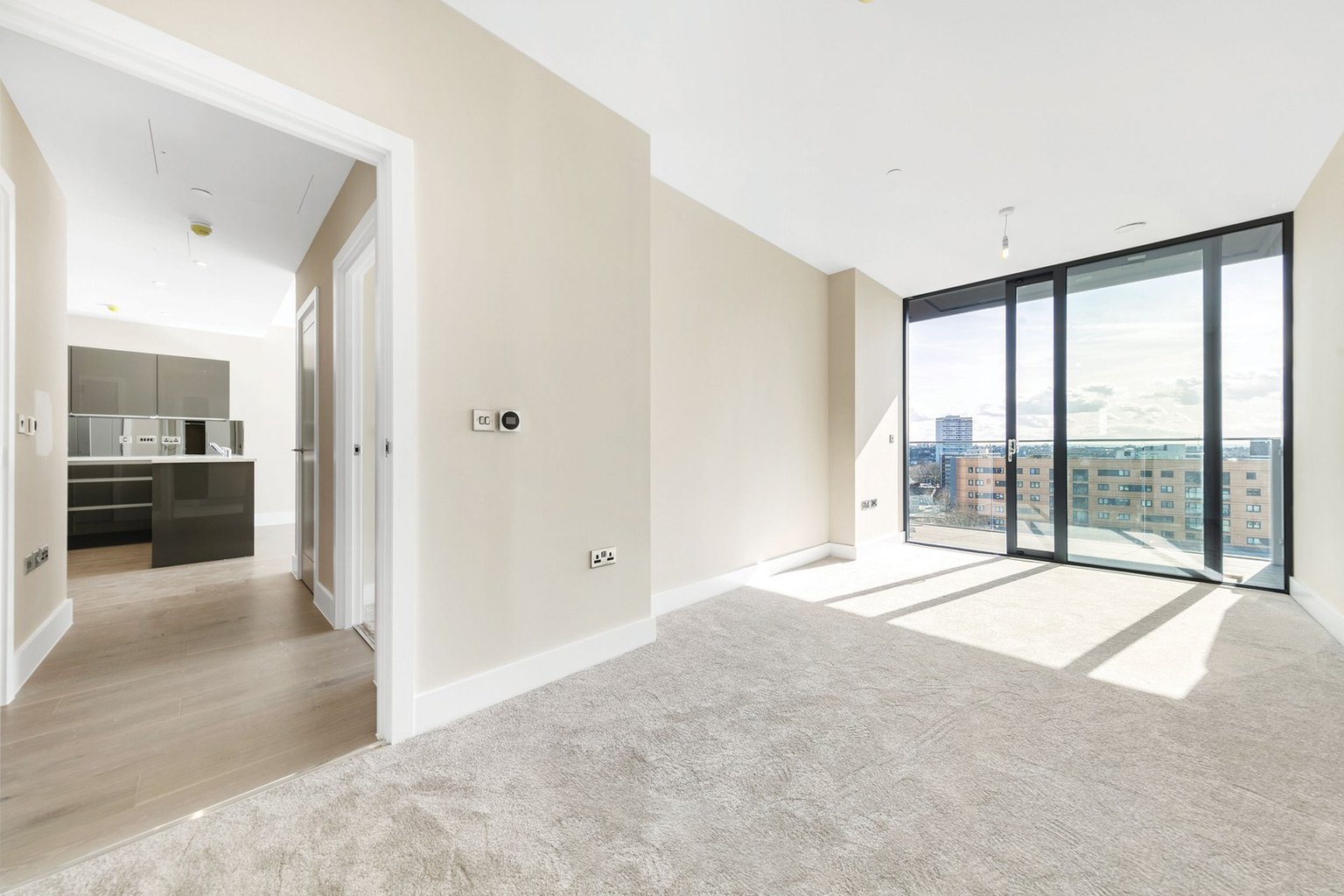
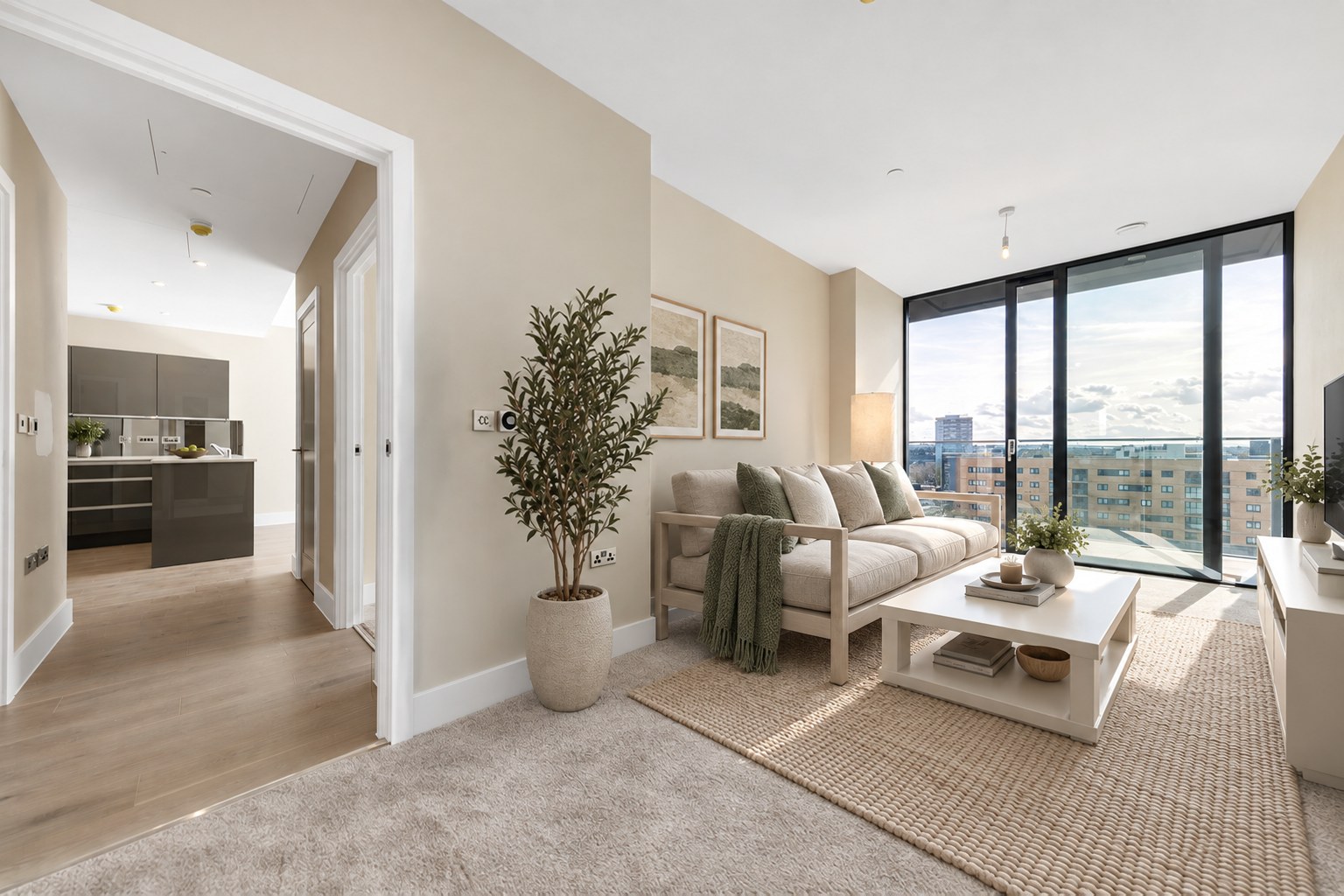
We sell virtual staging, not renders. Livium AI builds a 3D model of the furnished room from photographs of the real room, so every photo shows the same furniture in the same place, in the room the buyer will visit.
Which one do you need?
Ask one question: can the room be photographed today? If yes, photograph it and stage the photo. If no, commission a render.
| 3D render | Virtual staging | |
|---|---|---|
| What you need to start | Drawings and a finishes specification | Photos of the finished room |
| When it is possible | Any time, even before construction | Once the room exists |
| What the buyer sees | How the unit is meant to look | The real room, with furniture that is not there |
| Indicative cost | AED 500 to 5,000 an interior image, more at some studios | AED 200 to 500 an image at a studio, under AED 10 on software |
| Time | 3 to 7 working days an image at rate-card studios | Minutes on software, ask a studio |
| Label | Computer-generated, may differ | Virtually staged, furniture not included |
Can you virtually stage an off-plan property?
Not before there is a room to photograph. Virtual staging starts from a photo of the real room, and an off-plan unit (one sold before it is built) has none. A photo of bare concrete with floors and a kitchen added is a render in all but name.
Yet Real Estate Club Dubai's directory page on staging (opens in a new tab) says virtual staging "works best for off-plan or investment properties where buyers may not physically visit". For a unit that is not built, that can only mean one of two things:
- An interior render of the unit, with furniture.
- Staged photos of another room, such as a show apartment or a finished unit of the same type in an earlier phase.
Both are legitimate, and neither is the buyer's unit. The view from the 30th floor is not the view from the 5th, and a show apartment may be finished above the standard specification. Say on the image what it shows.
How big is off-plan in Dubai?
Most of the market, though the counts differ. Bayut's 2025 off-plan report (opens in a new tab) puts off-plan at 62.6% of total transactions. fäm Properties (opens in a new tab), using Dubai Land Department (DLD) records that include plots, gives 69% of 215,736 sales by number and 65% by value (8 January 2026). Savills (opens in a new tab) gives 72% of residential transactions (26 January 2026).
What must an off-plan advert show in Dubai?
The permit number and its QR code, the brokerage's name and five project details. Most of this is set out by the DLD's Real Estate Regulatory Agency (RERA) in Circular 2-2022 (opens in a new tab) (20 July 2022), which covers marketing "through various advertising channels, including real estate platforms or social media":
- Permit. A RERA permit, issued through Trakheesi (the DLD's online permit system), with "the permit number" on the ad. Since 24 April 2023 companies have also been "expected to feature the QR code" of the permit on print and audiovisual adverts (Government of Dubai Media Office (opens in a new tab), 18 April 2023).
- Company. The ad, "whether written or visual", must name the real estate company.
- Off-plan projects. The ad "must include the developer's name, project name, project number, project location and approved escrow account number" (the account that holds buyers' payments).
- Content. The advertiser is "responsible for the validity and credibility of the advertisement content", and the ad "must not include any information that has not been approved in the permit".
Bayut's Trakheesi guide (opens in a new tab) lists the same off-plan details, among its points for newspaper adverts. Neither says anything about renders or photos, and nor does the DLD's advertising permit page (opens in a new tab) (updated 10 November 2026). We found no published Dubai rule on how either must be labelled.
Property Finder's undated checklist for Verified listings (opens in a new tab) does not verify off-plan listings. For the rest it asks that "All images are genuine images of the property" and says "Computer-generated (CGIs) or developer images won't be approved", so launch renders will not get a resale listing verified. It does not say whether a staged photo of the real room counts as a CGI. Our guide to Property Finder and Bayut photo requirements has the detail.
What does each cost?
A render costs hundreds to thousands of dirhams an image, studio staging a few hundred and software a few dirhams. All prices are indicative, checked on 16 November 2026.
| Option | Indicative price | Source |
|---|---|---|
| Interior render | AED 500 to 1,500 an image, premium AED 2,000 to 5,000 | Real Estate Club Dubai's rendering guide, June 2026 |
| Render of one room, two or three angles | From AED 1,500 | M&A Studio (opens in a new tab), Dubai, 2026 price list |
| Photorealistic render | AED 5,000 to 12,000 a scene | First Unicorn 3D Studio (opens in a new tab), Dubai, undated |
| Virtual staging by a studio | AED 200 to 500 an image | Real Estate Club Dubai's staging directory, June 2026 |
| Virtual staging software | About AED 1.47 to 9.80 a photo | Virtual Staging AI and Livium AI |
Real Estate Club Dubai, a directory, charges businesses $99 to be listed. Its rendering cost guide (opens in a new tab) (18 June 2026), source of the render ranges and the 3 to 7 working days above, calls them "guide pricing published by studios marketing themselves".
Virtual Staging AI (opens in a new tab) lists $16 a month for six photos and $39 for 60 on yearly billing. At the time of writing our plans are $19.99 a month for 40 staged photos (about AED 1.84 each) and $39.99 for 100 (about AED 1.47 each). Our comparison of home staging costs in Dubai also prices physical staging.
How do developers use staging after handover?
Photograph one finished unit of each type, stage it, and market with that set. At handover the rooms are real at last, and usually empty: Bayut's guide to listing photos (opens in a new tab) (updated 21 October 2026) notes that "Empty space is a problem largely faced by owners of newly built properties."
- Pick one unit of each type, on a floor with a typical view, not the best one.
- Photograph its living room and main bedroom from two or three corners each, lights on and blinds open.
- Stage each room once, with the same furniture in every photo. Our guide to multi-angle virtual staging shows how to test a tool for that.
- Stage it again in a second look for a second kind of buyer, say investors who will let.
- Use the set in the brochure and the sales deck, labelled each time, with the originals kept. On a portal, use it only for the unit you photographed, because the next unit's view and floor differ.
Leave kitchens and bathrooms as photographed, because their fittings are part of what is for sale. Three unit types, two rooms each and three photos a room make 18 photos a look. At the studio rates above that is AED 3,600 to 9,000. On software it fits in one month of any plan with 20 photos or more.
What should you tell the buyer?
That a render is an impression of a design, and a staged photo is a real room with furniture added. Label each for what it is, on or beside the image.
- A render: for example, "Computer-generated image. Finishes, furniture and views may differ from the unit delivered."
- A staged photo: for example, "This image has been virtually staged: the furniture and decor were added digitally and are not included with the property." Keep the original beside it.
That wording is ours, since we found no Dubai rule that sets any. A useful model is the UK Committee of Advertising Practice's (CAP) advice on new-build and off-plan homes (opens in a new tab) (25 November 2025): where an off-plan advert uses an image with upgrades, the price should say "from" and the words "image includes optional upgrades at additional cost" should sit next to the image. Our disclaimer wording for staged photos has more versions, and our guide to virtual staging in Dubai covers the wider rules.
Common questions
Is a render more accurate than a staged photo?
It is accurate to the drawings, not to the building: the delivered unit can differ in finishes, light and view. A staged photo shows the real room as photographed, with furniture added.
Can staged photos go in a brochure?
Yes, labelled as on a portal. Bayut's Trakheesi guide lists printed advertisements among those that need a permit. Put the label beside each staged photo, not in the small print, and say which unit or type it shows.
What about show apartments that are already furnished?
Photograph them as they are: the furniture is real. It does not come with the units for sale, and the finishes may be upgrades, so say both beside the photos, as CAP's advice asks of show homes.
Staging finished units with Livium AI
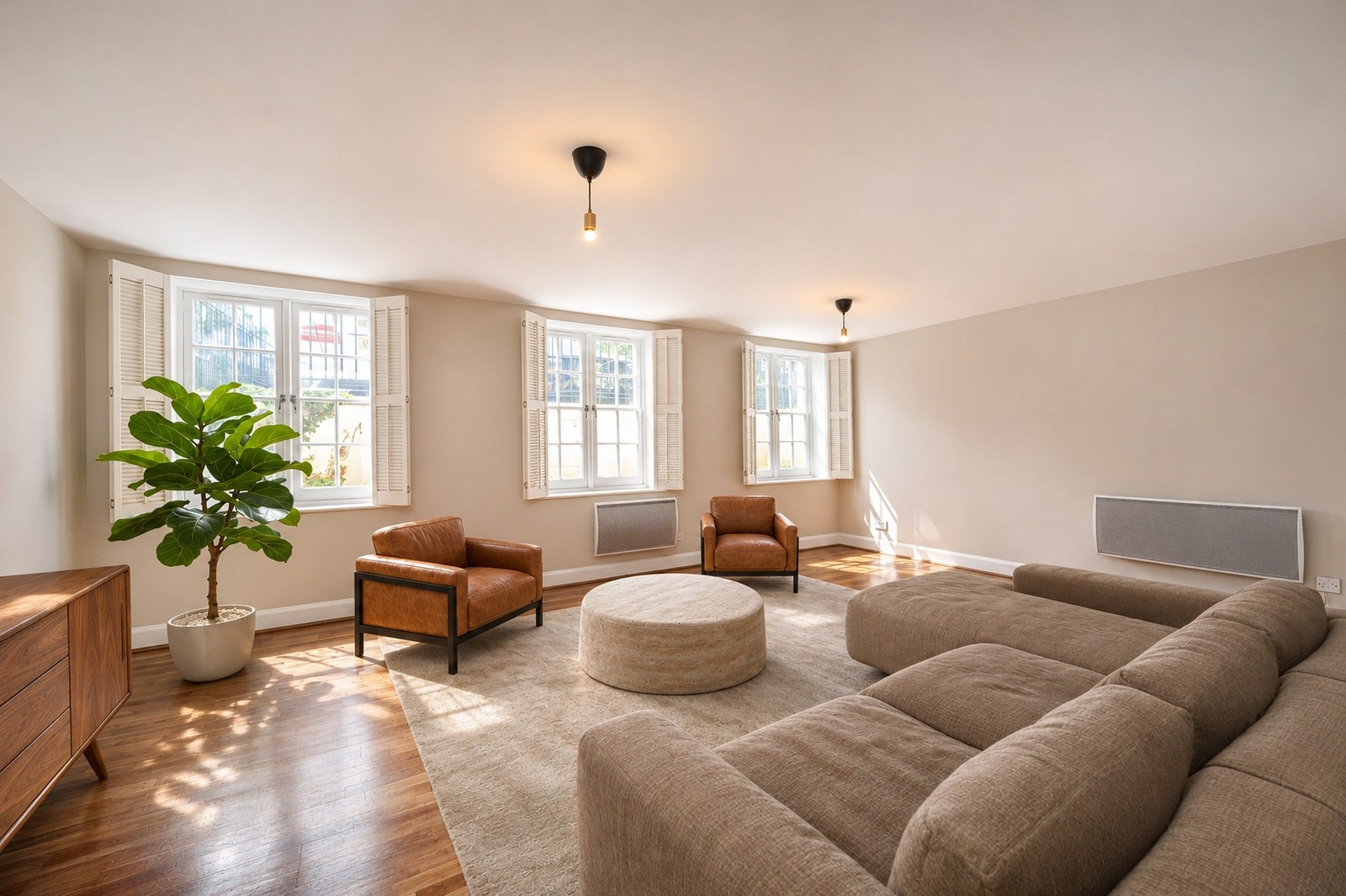
Livium AI stages living rooms and bedrooms from up to six ordinary photos of each room, with the same furniture in the same place in every photo. Each staged photo downloads with or without a "Virtually staged" label, and the original is kept beside it. Our page for developers shows the handover workflow, and you can start with 25 free credits, enough for a room of up to five photos.
Stage the room once.
Every photo matches.
Upload a few photos of the empty room. Livium AI furnishes it once, in one 3D model with every piece at its real size, so every photo of the listing shows the same furniture in the same place.
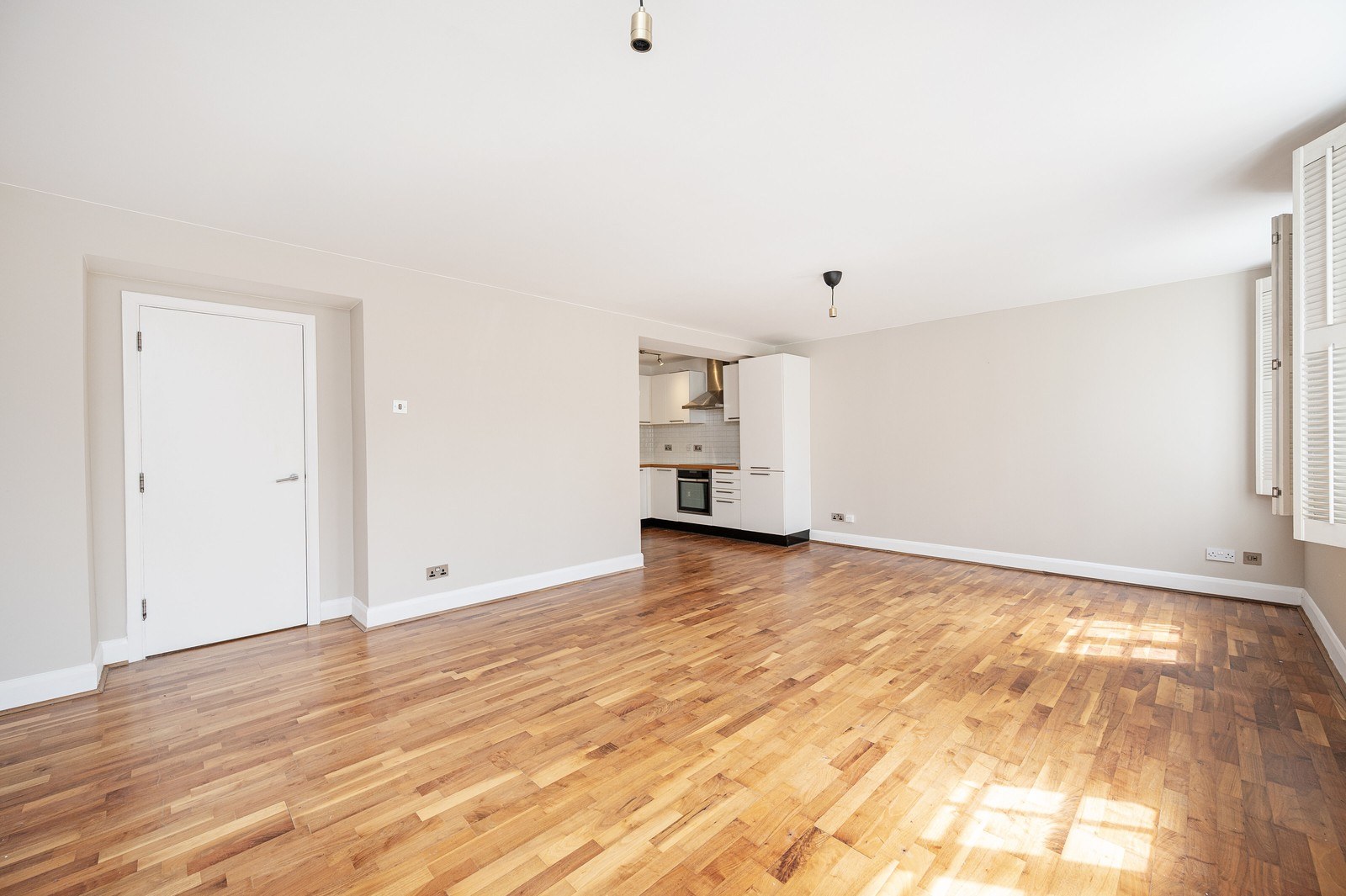
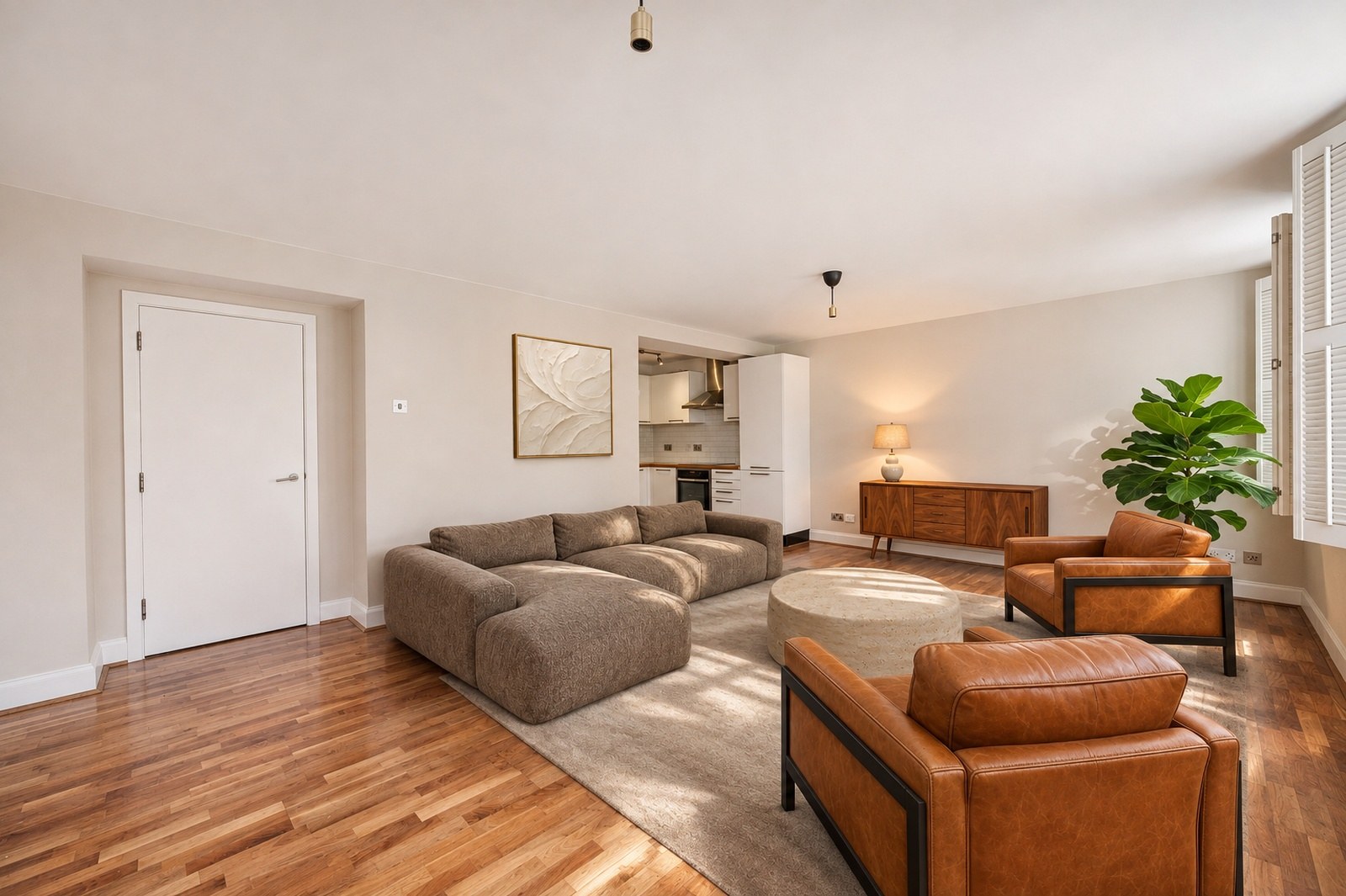 As photographedStaged by Livium AI
Sources
All links last checked on 16 November 2026.
- Circular 2-2022: Real Estate ads terms and conditions (opens in a new tab), RERA, Dubai Land Department, 20 July 2022
- Real estate advertisement permit (opens in a new tab), Dubai Land Department, updated 10 November 2026
- Madmoun QR codes for real estate ads (opens in a new tab), Government of Dubai Media Office, 18 April 2023
- Complete Guide to the Trakheesi System in Dubai (opens in a new tab), Bayut, updated 16 November 2026
- Dubai off-plan property market report 2025 (opens in a new tab), Bayut, updated 16 November 2026
- Dubai property market 2025 record sales (opens in a new tab), fäm Properties, 8 January 2026
- Dubai residential market sees another record-breaking year in 2025 (opens in a new tab), Savills, 26 January 2026
- Verified listing fact sheet and checklist (opens in a new tab), Property Finder, undated
- Best practices for taking real estate listing photos (opens in a new tab), Bayut, updated 21 October 2026
- Furniture and Home Staging directory (opens in a new tab), Real Estate Club Dubai, updated June 2026
- Real Estate Rendering Costs in Dubai 2026 (opens in a new tab), Real Estate Club Dubai, 18 June 2026
- 3D visualization design in Dubai (opens in a new tab), M&A Studio, 2026 price list
- 3D visualisation (opens in a new tab), First Unicorn 3D Studio, undated
- Pricing (opens in a new tab), Virtual Staging AI, undated
- Property: New build and off plan homes (opens in a new tab), CAP, 25 November 2025
Keep reading
Removing furniture from listing photos: an honest guide
You can remove furniture from listing photos with AI, often the only way to show a lived-in flat clear. What to clear first, what to check and what to disclose.
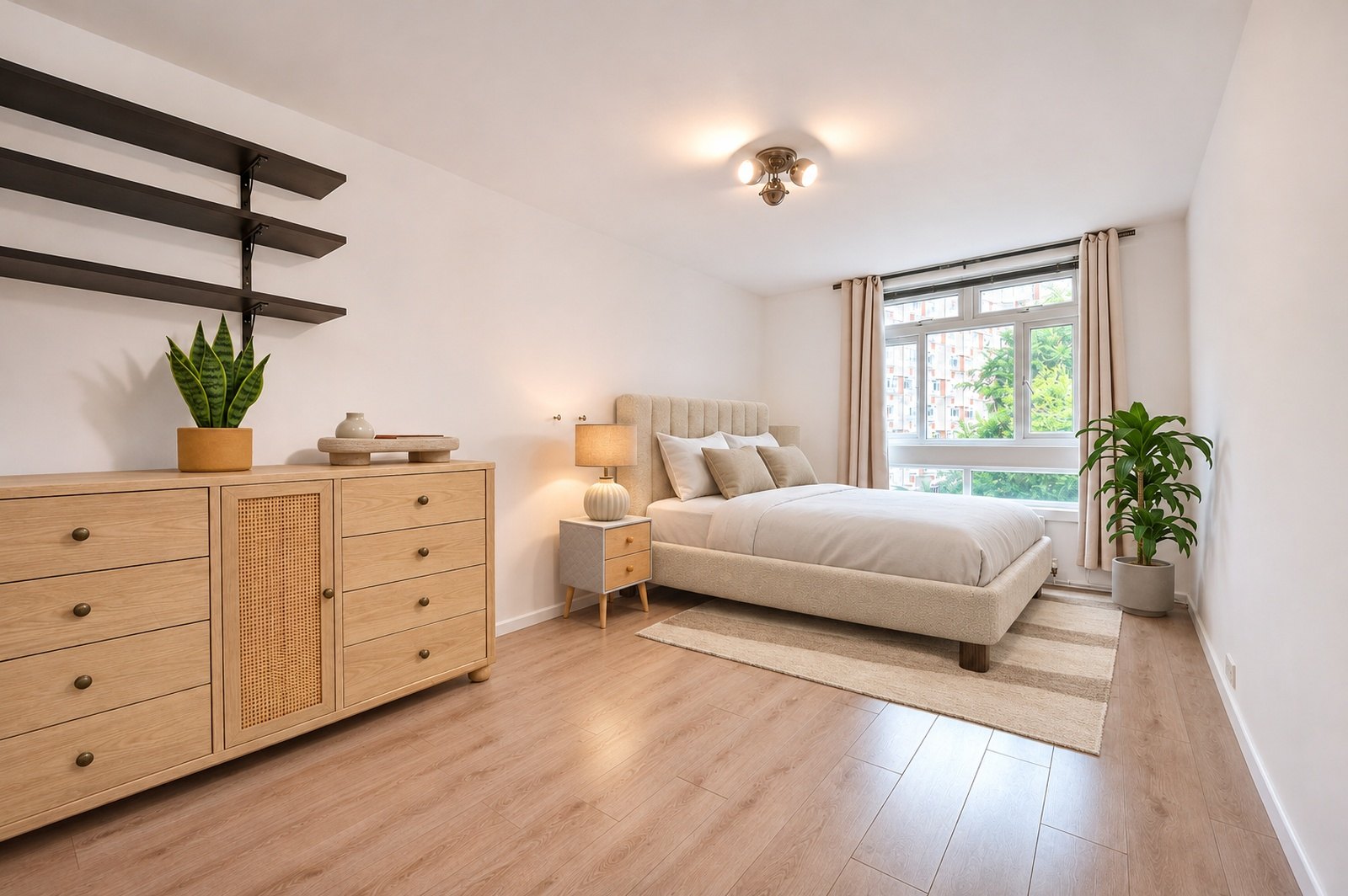
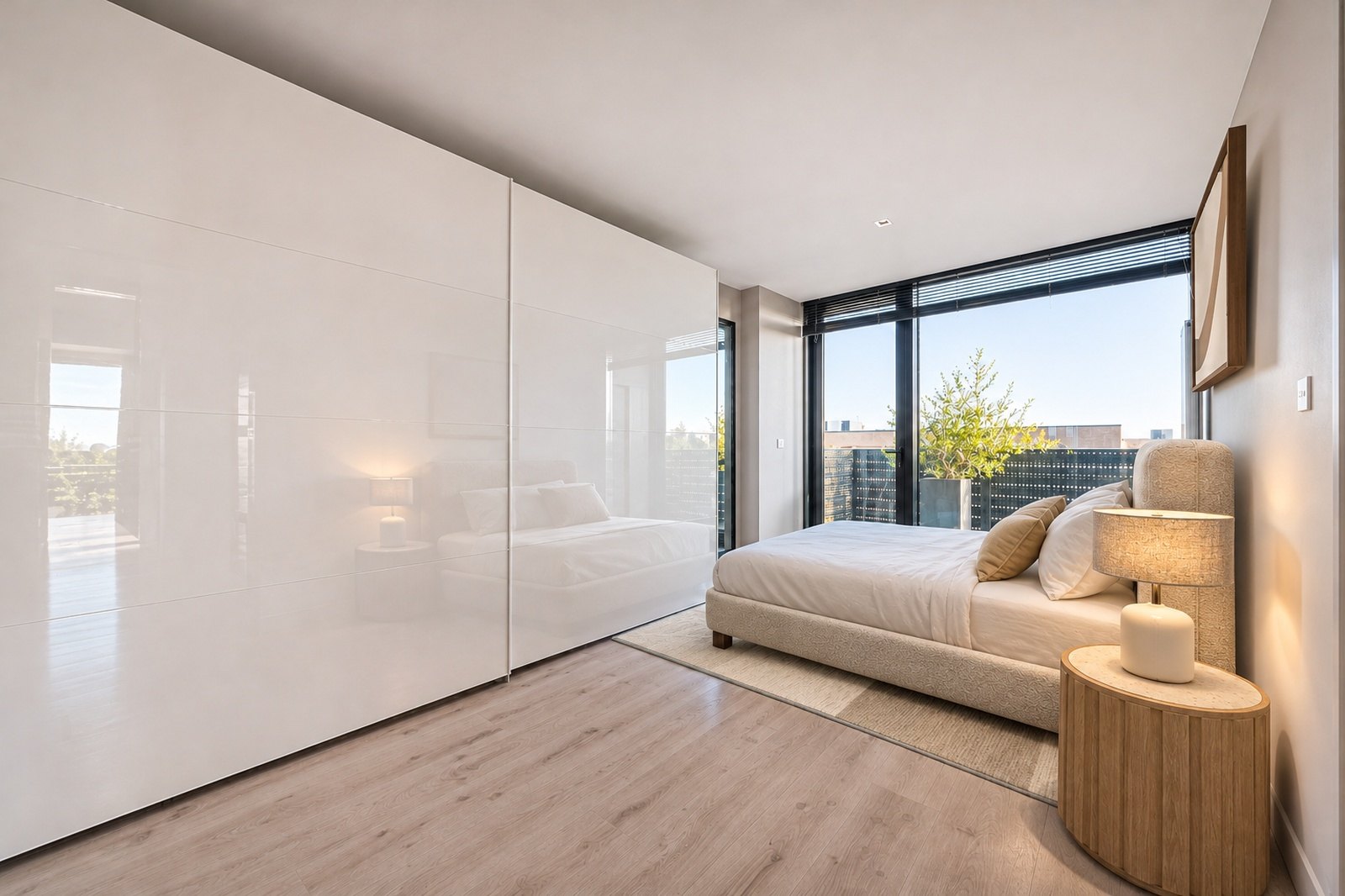
How to stage a bedroom for a property listing
Stage a bedroom by showing the largest bed it really takes, with room to walk round it. Bed sizes in metres, where the bed goes and what else to add.
How to stage an empty living room for a listing
Stage an empty living room so buyers can read its size, the seating and the way through: real sofa sizes, spacing rules of thumb and what to keep clear.