What is virtual staging? A plain guide for agents
Virtual staging adds furniture to a photo of a real room, digitally. How it is done, what it looks like, what it cannot do and when to say a photo is staged.
On this page
Virtual staging is adding furniture and decoration to a photograph of a real room, digitally, so that people looking at a listing can see how the empty room could be lived in. The room is real and stays as photographed. The furniture is not there and does not come with the property, which is why a staged photo should say that it is staged.
Key points
- Virtual staging adds furniture and decor to a photo of a real room. The building stays as photographed, and the furniture is not included.
- It is done by a designer working on each photo (hours to days), by an AI image model that redraws the photo (seconds to minutes), or by rendering one 3D model of the furnished room from each photo's camera position (minutes).
- An AI model that redraws each photo on its own can change a window, a floor or the view without being asked, and draw a different sofa in each photo. Rendering one furnished 3D model from every photo's position keeps the same furniture in the same place.
- Virtual staging changes only the photos. A viewing shows the empty room.
- California has required licensed agents to disclose digitally altered images in sale adverts since 1 January 2026. We found no published rule in Dubai that deals specifically with virtually staged images.
What is virtual staging?
Virtual staging is the digital addition of furniture and decor to a photograph of a real room, to show how that room could be furnished. Nothing about the property changes: a photo with a new floor or a better view is no longer staging. Nor is a 3D render (CGI, computer-generated imagery), which builds the room from drawings, often before it exists: see virtual staging vs 3D rendering for when you need which.
One US rule-maker draws the same line. NorthstarMLS, a multiple listing service (MLS, the shared database where agents in one region list homes), published proposed guidelines on 10 July 2026 (opens in a new tab) that permit virtual staging "only to add or remove personal property such as furniture and décor".
How does virtual staging work?
There are three methods. They differ in who places the furniture, and in whether anything in the process knows the shape of the room.
| Method | Who does the work | Turnaround | What to check |
|---|---|---|---|
| A designer, photo by photo | A person, in editing or 3D software | Hours to days | That the photos of one room agree |
| An AI model redraws each photo | An AI image model | Seconds to minutes | Changes to the building, and a different sofa in each photo |
| One 3D scene, rendered from each photo | Software, with a 3D model of the room | Minutes | Each photo against its original, as with any method |
A designer works on each photo
A designer adds furniture to each photo, matching its perspective and light. The furniture goes on top of your photo, so the rest of the picture normally stays as it was. BoxBrownie (opens in a new tab), one such service, promises staged images "in under 48 hours".
An AI model redraws the photo
An AI image model takes your photo and a chosen style and draws a new picture like yours, with furniture in it. It does not paste furniture onto your photo, so it can also change a window frame, a socket, the floor or the view.
It is quick: Virtual Staging AI (opens in a new tab), a one-click staging app, advertises a "10 seconds turnaround". OpenAI's guide to its image models (opens in a new tab) says that even when you mark the area to edit, the model "may not follow its exact shape with complete precision", and that it "may occasionally struggle to maintain visual consistency for recurring characters or brand elements across multiple generations". A sofa seen in three photos of one room is such an element, so each photo can come back with a different sofa.
One 3D scene, rendered from each photo
Software estimates the room's shape and where each photo was taken from, places the furniture once in a 3D model of the room at real size, and renders (draws by computer) that model from each camera position. With only one sofa in the scene, every photo shows the same sofa in the same place.
This is how Livium AI works, with each piece of furniture a 3D model at its real size. An AI image model then paints the final photos, and the app shows each one against its original in a drag-to-compare view. Other tools also claim matching furniture across angles, and our guide to multi-angle virtual staging has a ten-minute test for any of them.
What does virtual staging look like?
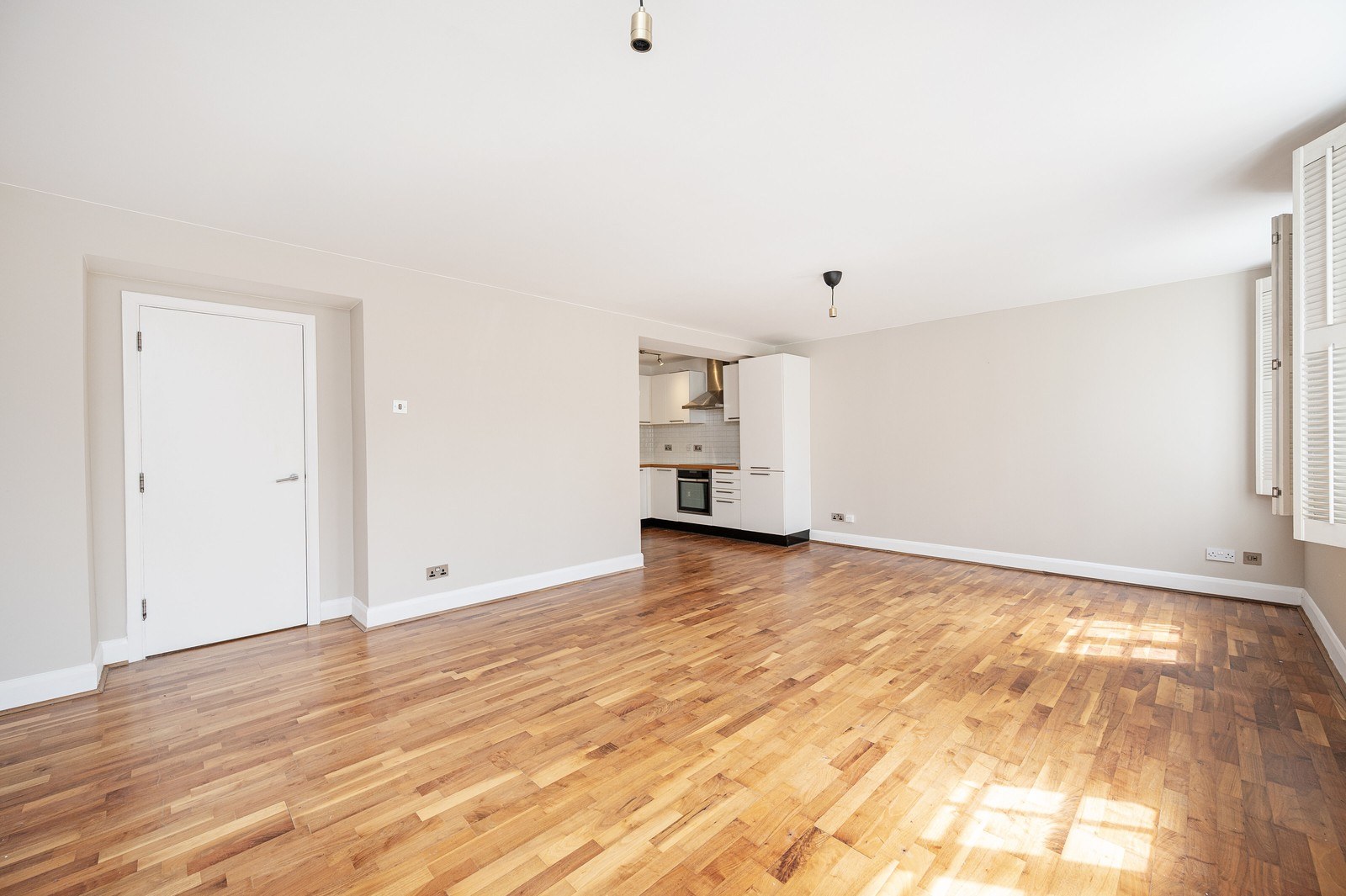
Here is one empty living room, staged with Livium AI.
Who uses virtual staging, and when?
Agents and landlords use it for empty rooms, and for furnished rooms that photograph badly.
- Vacant homes for sale, to show how bare rooms could be used.
- Unfurnished lets, with a line in the listing saying that no furniture is included.
- New-build units at handover, when an off-plan unit (one sold before it was built) is finished and there is at last a real room to photograph.
- Tired furnished rooms, after the owner's furniture has been removed digitally.
How is virtual staging different from home staging?
Home staging, or physical staging, puts real furniture in the room, so it works at viewings as well as in photos. Virtual staging changes only the photos.
Real furniture has to be chosen, delivered, arranged and collected, so it costs more. In the 2025 staging survey by the National Association of Realtors (NAR) (opens in a new tab), US sellers' agents reported a median cost of $1,500 (about AED 5,510) for using a staging service. If buyers will judge the home mainly at viewings, that can be worth paying. Our comparison of home staging costs in Dubai puts the options side by side in dirhams.
What can't virtual staging do?
- Help at the viewing. Visitors find the room empty, one more reason to label the photo.
- Show a room nobody photographed. A unit that is not built yet needs a render.
- Change the building. Walls, windows, doors, floors, fixed fittings and the view are part of what is for sale. NorthstarMLS's proposed guidelines prohibit "Alterations that change or hide permanent or structural elements of the property". Our article on what you may edit in a listing photo draws the line.
- Replace a floor plan. A staged photo shows one way to furnish a room, not its measurements. Furniture drawn at a guessed size can mislead, which is why every piece in Livium AI's catalogue is a 3D model at its real size.
Do you have to say a photo is virtually staged?
Where a rule covers it, yes, and it is sensible everywhere, because the furniture is not part of the sale. In California, Assembly Bill 723 took effect on 1 January 2026, as CRMLS (opens in a new tab), a California listing service, confirms. It added section 10140.8 to the Business and Professions Code (opens in a new tab), which requires a licensed agent who advertises a sale with a digitally altered image to say so in a statement "located on or adjacent to the image", with a link or QR code to the unaltered original. An image altered "to add, remove, or change elements", furniture and "views through windows" among them, counts.
We found no published rule in Dubai that deals specifically with virtually staged images. Our guide to virtual staging in Dubai covers the rules that do apply there, our guide to disclosure rules goes place by place, and our disclaimer wording article has sentences to copy.
What does virtual staging cost?
Software is priced per photo or by monthly plan, and design services per image. For example, at the time of writing Livium AI's Pro plan is $19.99 a month for 200 credits, and staging takes 5 credits a photo at standard quality, which is about $0.50 (about AED 1.84) a staged photo, as our pricing page shows.
Common questions
Is virtual staging the same as AI staging?
AI staging is virtual staging done with AI models, as in the second and third methods above. Designers do virtual staging by hand too. Ask which method a tool uses, because that decides what you need to check.
Can you stage a furnished room?
Yes, once the existing furniture has been removed digitally. It is common: Coraly, a real estate intelligence platform, studied listing photos on four US portals, and 88.8% of the staged images "were applied over existing furnished spaces", HousingWire reported on 24 June 2026 (opens in a new tab).
Do buyers mind?
We found no independent survey that asks buyers what they think of virtual staging. In the NAR survey, 83% of buyers' agents said staging made it easier for a buyer to envision the property as their future home, but that is agents' opinion about staging in general. Our article on home staging statistics traces where the widely quoted figures come from.
Trying it on your own room
Livium AI stages living rooms and bedrooms from up to six photos of a room, with the same furniture in the same place in every photo. Each staged photo downloads with a "Virtually staged" label or without one, and the original is always kept. Each new person with a confirmed email address gets 25 free credits, enough to stage five photos, watermarked, with no card: start free.
Stage the room once.
Every photo matches.
Upload a few photos of the empty room. Livium AI furnishes it once, in one 3D model with every piece at its real size, so every photo of the listing shows the same furniture in the same place.
As photographedStaged by Livium AI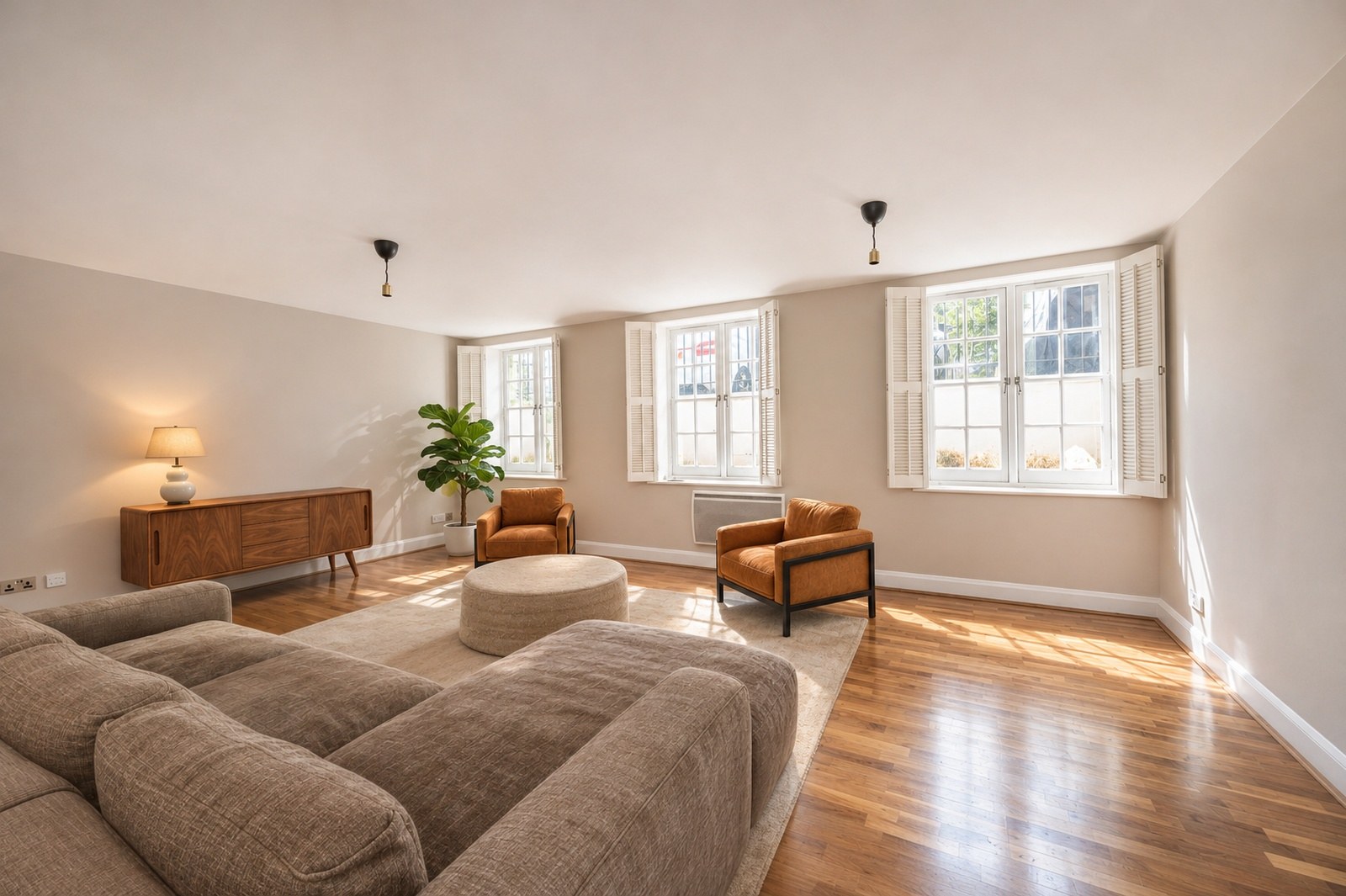
Sources
- Guidelines for Virtual Staging and AI-Enhanced Listing Photos (opens in a new tab), NorthstarMLS, proposed, 10 July 2026
- Virtual staging (opens in a new tab), BoxBrownie, undated, last checked 16 November 2026
- Pricing (opens in a new tab), Virtual Staging AI, undated, last checked 16 November 2026
- Image generation guide (opens in a new tab), OpenAI API documentation, undated, last checked 16 November 2026
- NAR report reveals home staging boosts sale prices and reduces time on market (opens in a new tab), National Association of Realtors, 6 May 2025
- Digitally altered images FAQs (opens in a new tab), CRMLS, updated 20 October 2026
- California Business and Professions Code section 10140.8 (opens in a new tab), as reproduced by California.Public.Law, in force from 1 January 2026, last checked 16 November 2026
- Most AI-altered listings go undisclosed, California law bans it (opens in a new tab), HousingWire, Jonathan Delozier, 24 June 2026
Keep reading
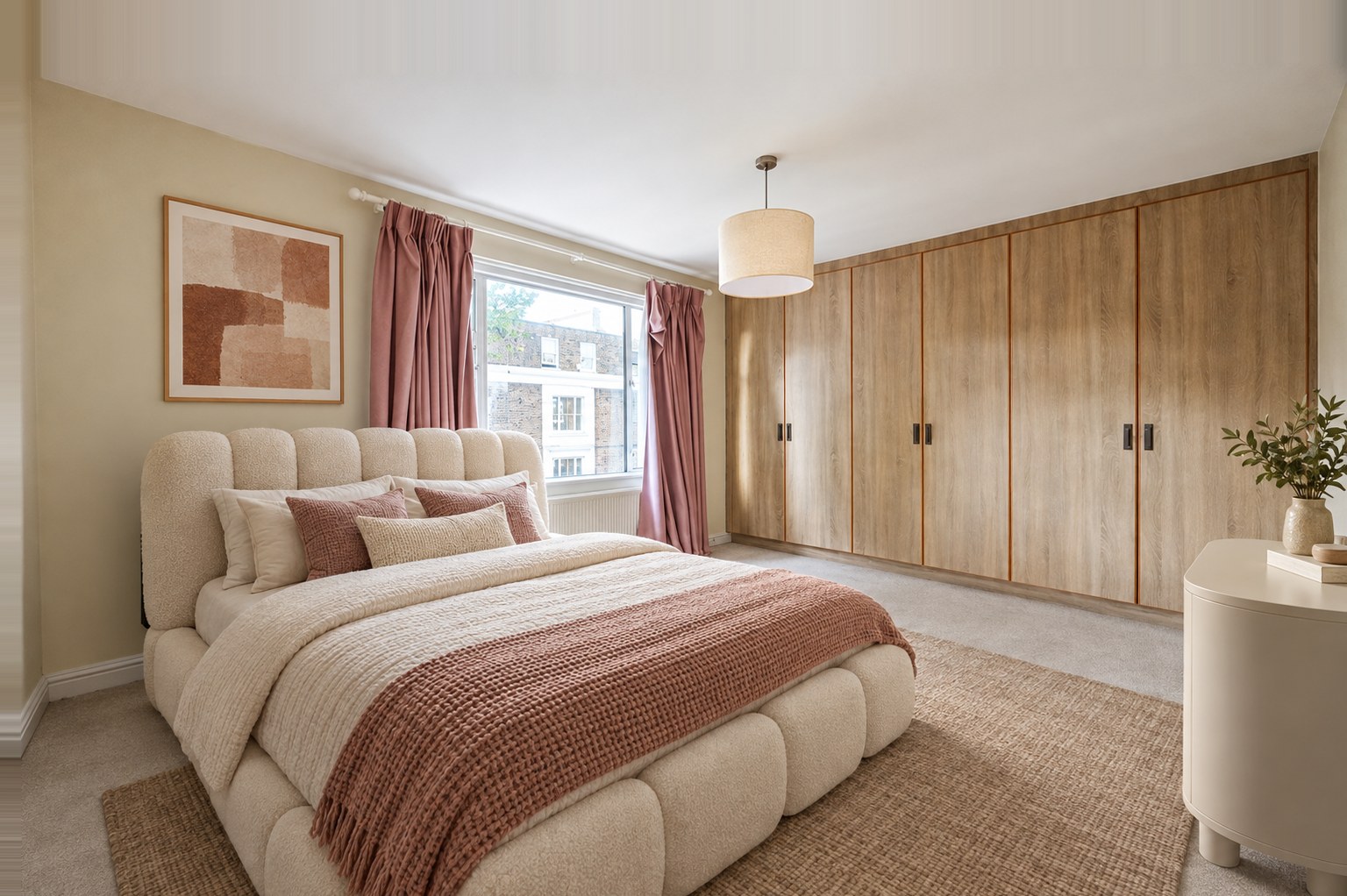
Virtual staging vs 3D rendering: which do you need?
A 3D render is drawn from plans, so it can show a unit not yet built. Virtual staging adds furniture to a photo of a real room. Which to use, and the costs.
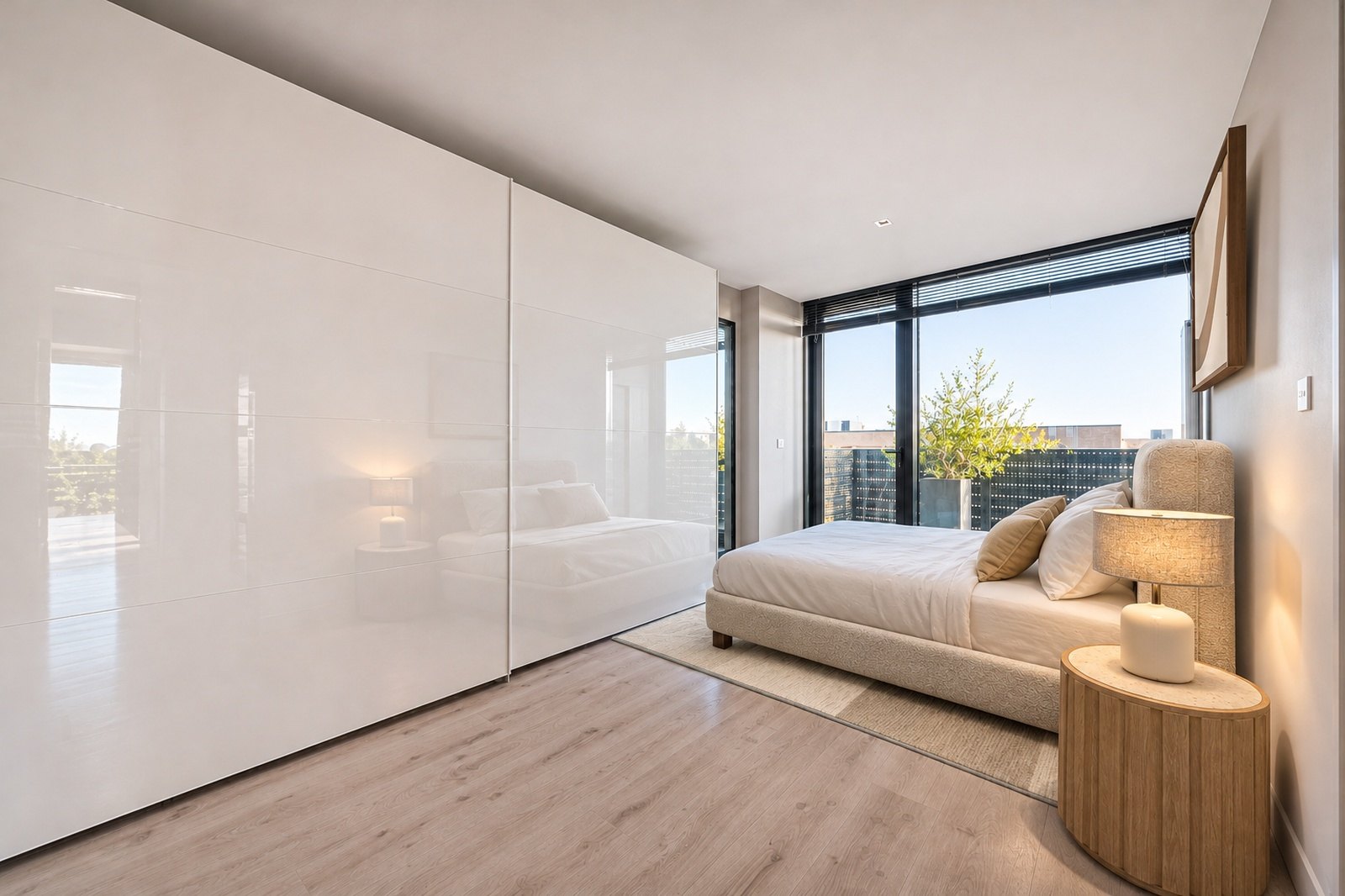
Removing furniture from listing photos: an honest guide
You can remove furniture from listing photos with AI, often the only way to show a lived-in flat clear. What to clear first, what to check and what to disclose.
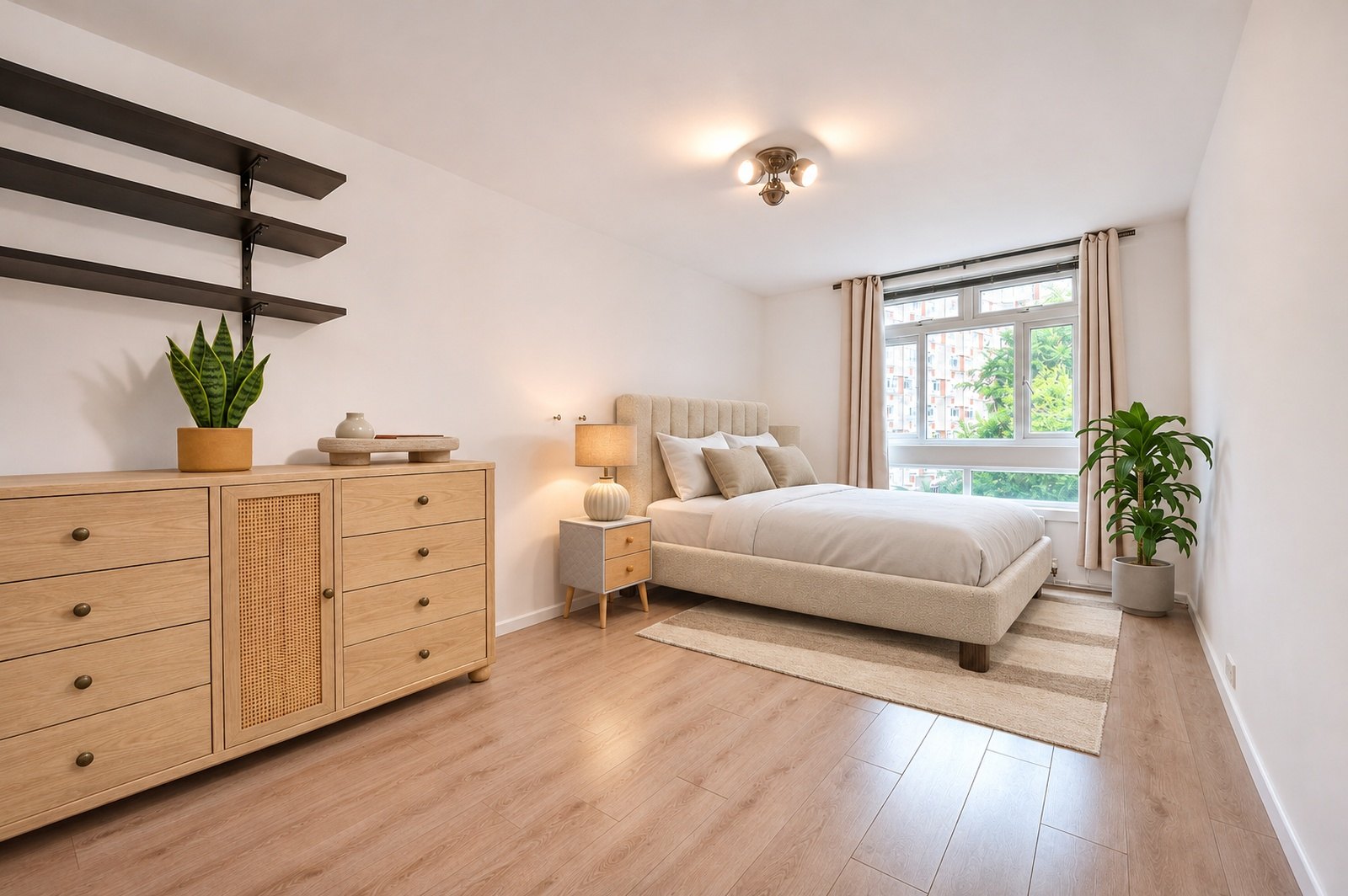
How to stage a bedroom for a property listing
Stage a bedroom by showing the largest bed it really takes, with room to walk round it. Bed sizes in metres, where the bed goes and what else to add.